BMS COLLEGE OF ENGINEERING • B.E. AEROSPACE ENGINEERING
Composite Wing Design
Using Ply Drop-Off
Composite Structures • Ply Drop-Off Design • Finite Element Analysis
Project Description
This undergraduate major project investigated the application of ply drop-off techniques in composite laminates for lightweight aircraft structures. A published composite laminate study was first replicated and validated before applying the methodology to the structural analysis of a NACA 0012 composite wing using ANSYS ACP.
Project Snapshot
Carbon Fibre
Composite laminate developed for lightweight structural applications.
ANSYS ACP
Composite laminate modelling and finite element analysis.
NACA 0012
Composite wing developed for structural evaluation.
Validation
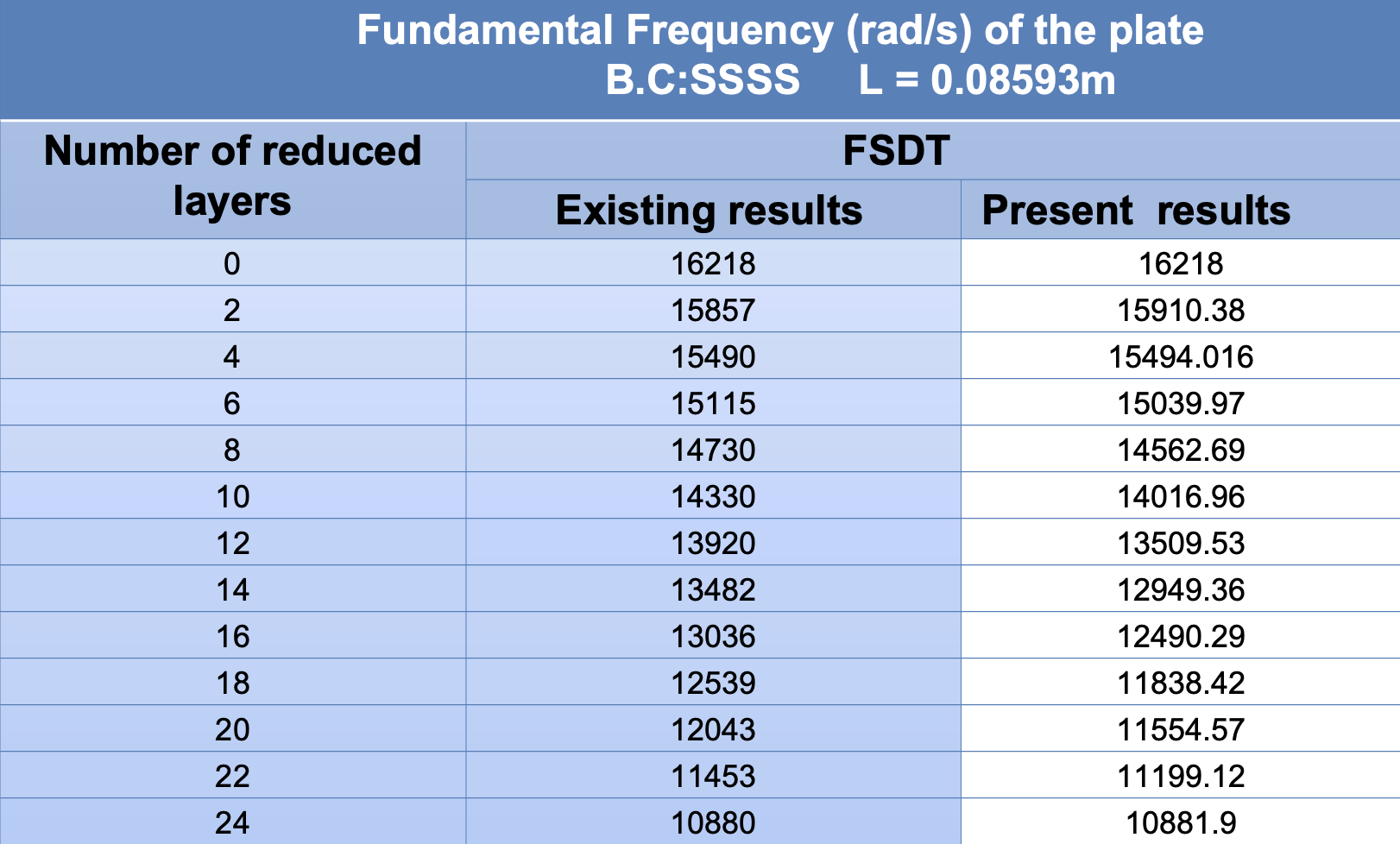
Finite element model validated against published research.
My Role
I worked on:
Research & Literature Review
- Reviewed published research on ply drop-off in composite laminates.
- Studied the methodology used to validate the finite element model.
Finite Element Modelling
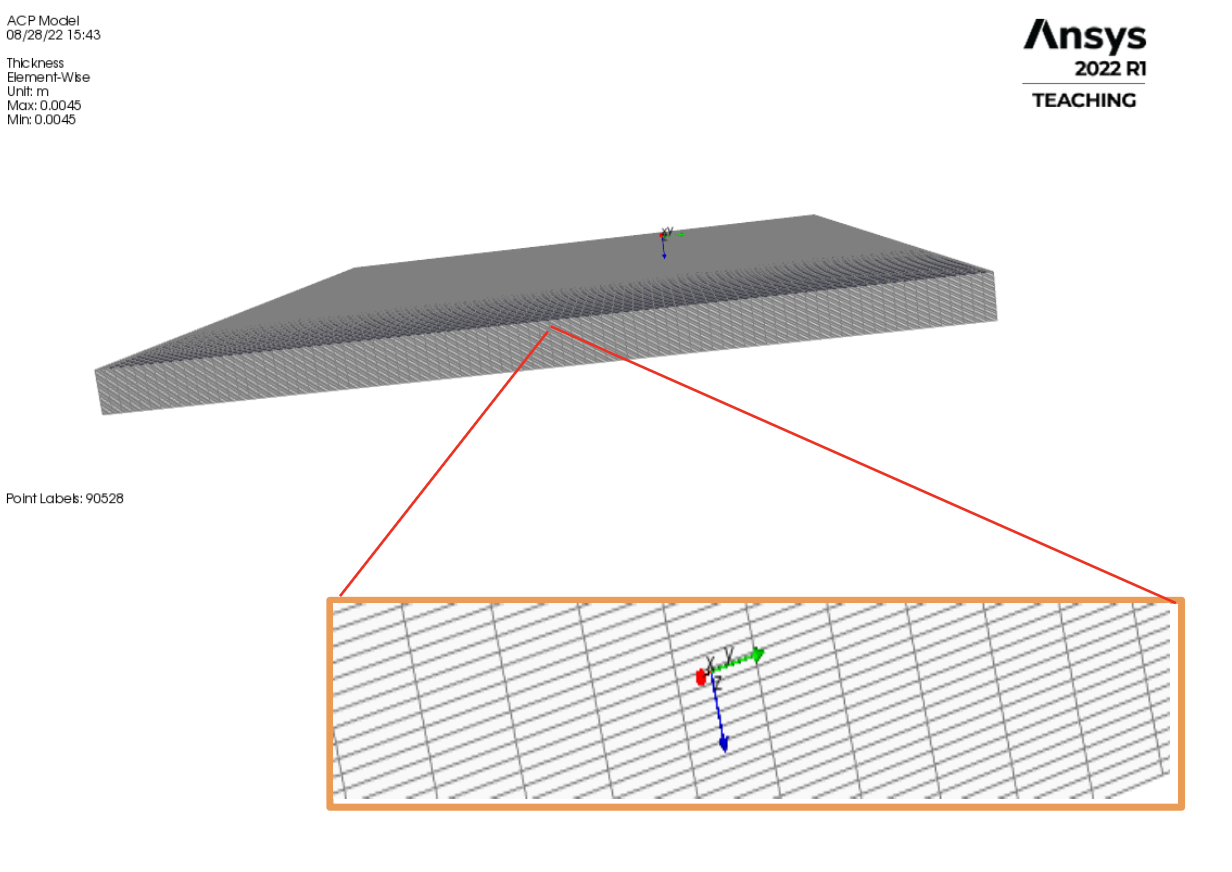
- Developed the composite plate model using ANSYS ACP.
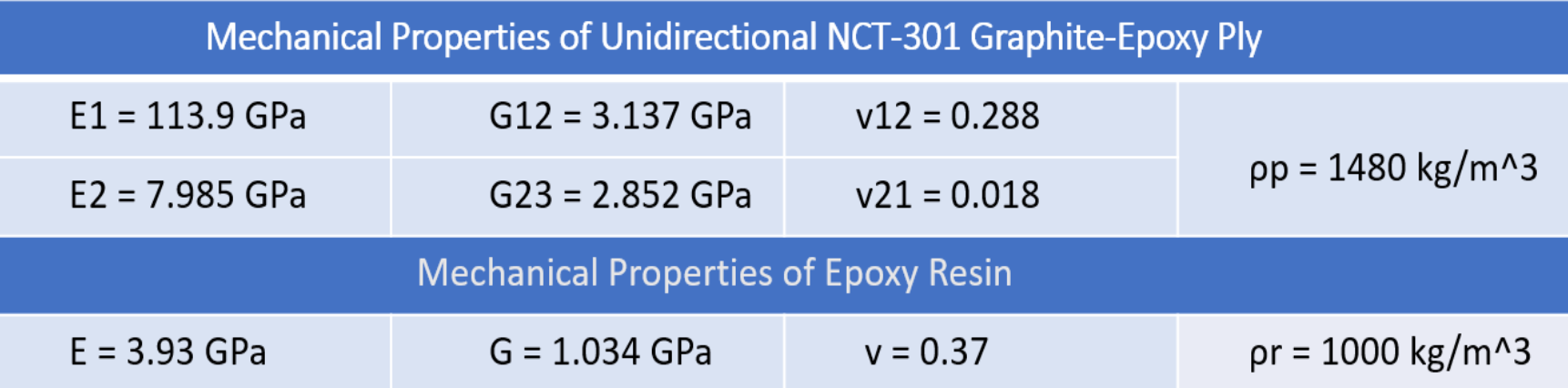
- Defined material properties, laminate stacking sequence and ply orientations.
Validation
- Compared predicted natural frequencies with published results.
- Validated the finite element methodology before wing development.
Wing Development
- Applied the validated methodology to a NACA 0012 composite wing.
- Performed structural and modal analysis to evaluate laminate behaviour.
Research Foundation
Before developing the composite wing, the finite element methodology was validated by replicating a published study on thickness-tapered composite laminates. The replicated results closely matched the published data, providing confidence before extending the approach to an aircraft wing.
Composite Plate Validation
A composite square laminate was developed in ANSYS ACP using the published material properties and laminate stacking sequence. Different ply drop-off configurations were investigated before applying the methodology to the composite wing.
Material Properties
36-Layer Stacking Sequence
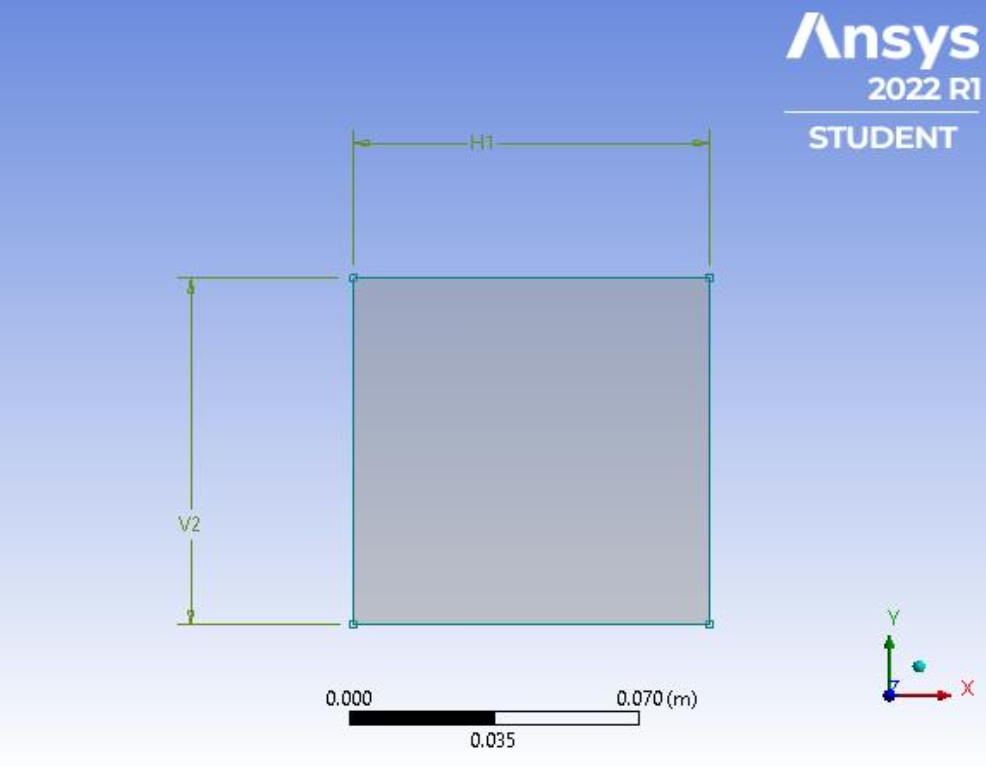
Composite Plate Model
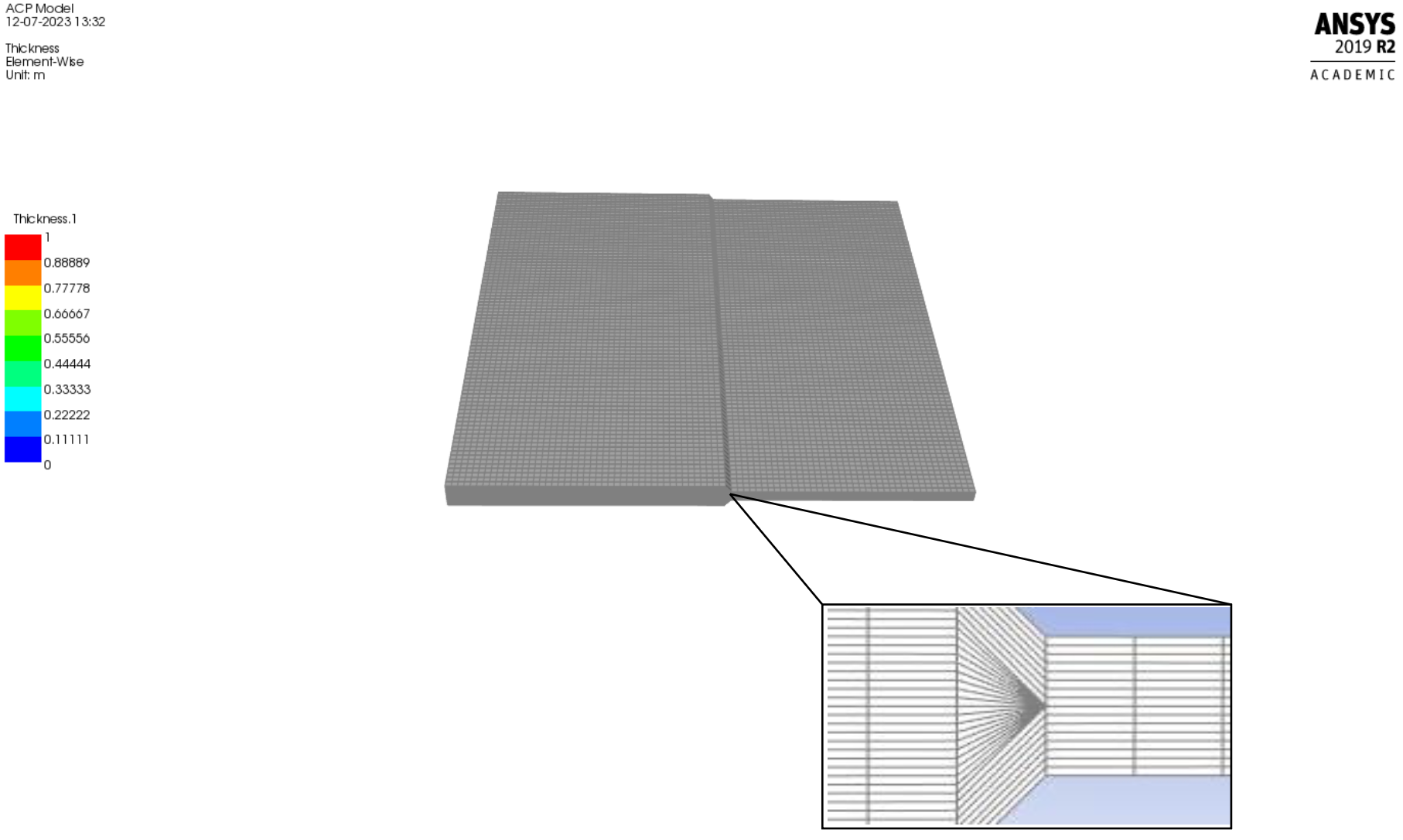
20-Ply Drop-Off
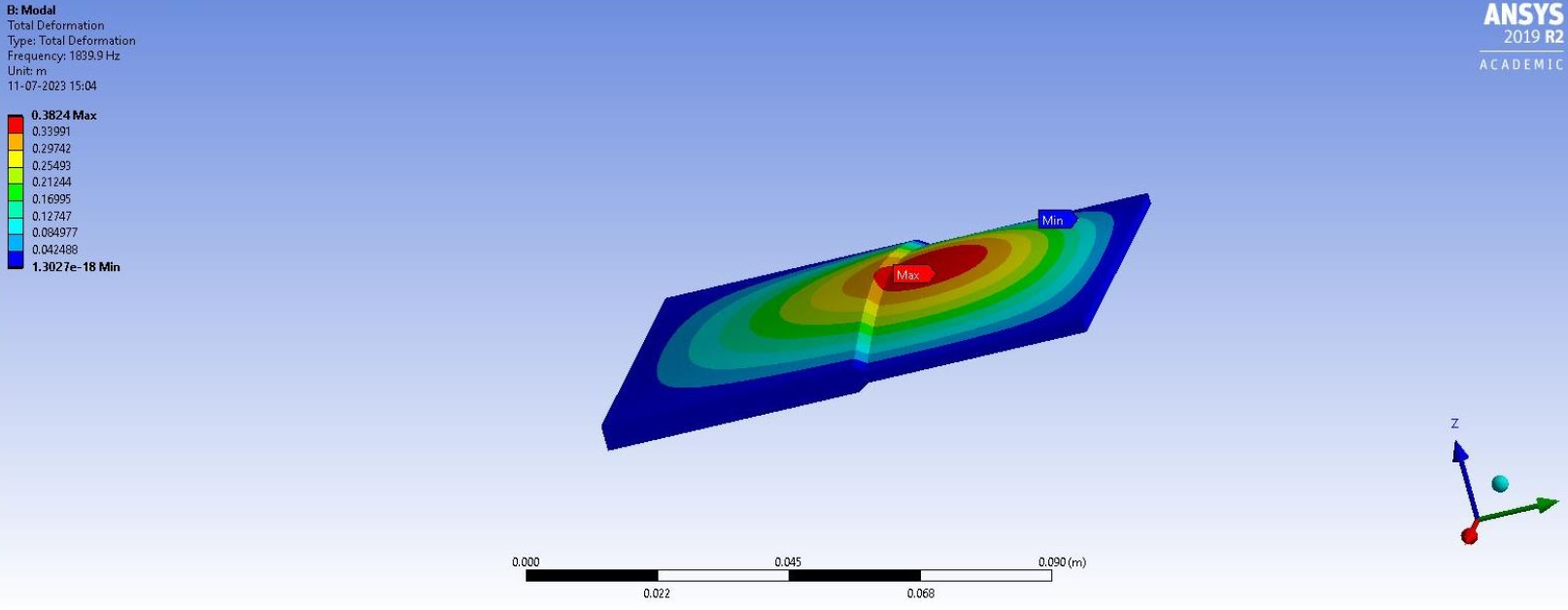
Aircraft Application
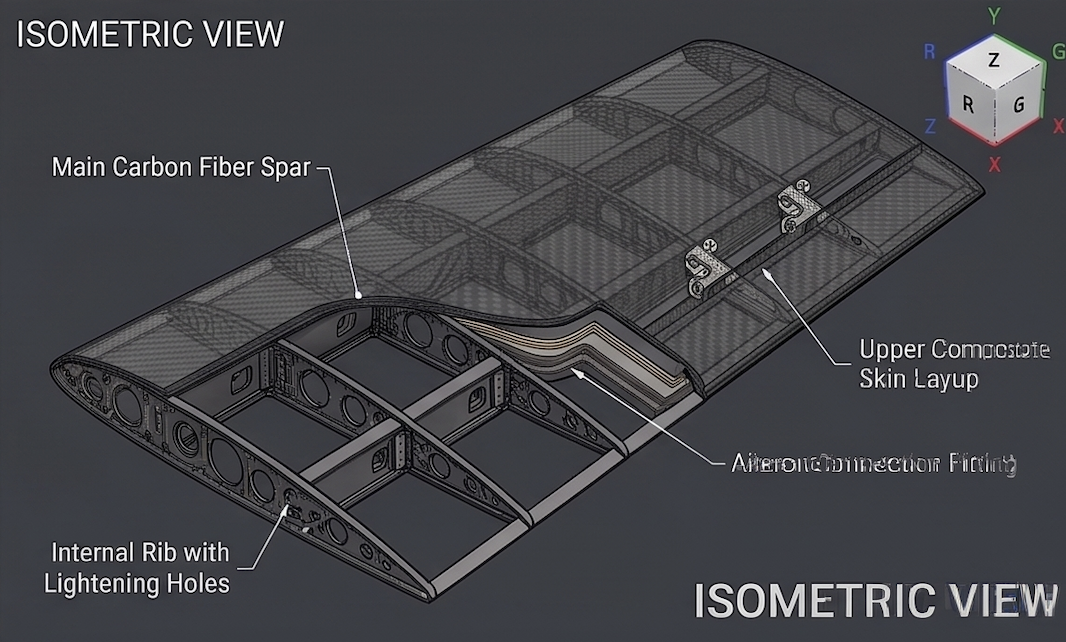
After validating the composite plate model, the same ply drop-off methodology was applied to a NACA 0012 composite wing to investigate its application in lightweight aircraft structures.
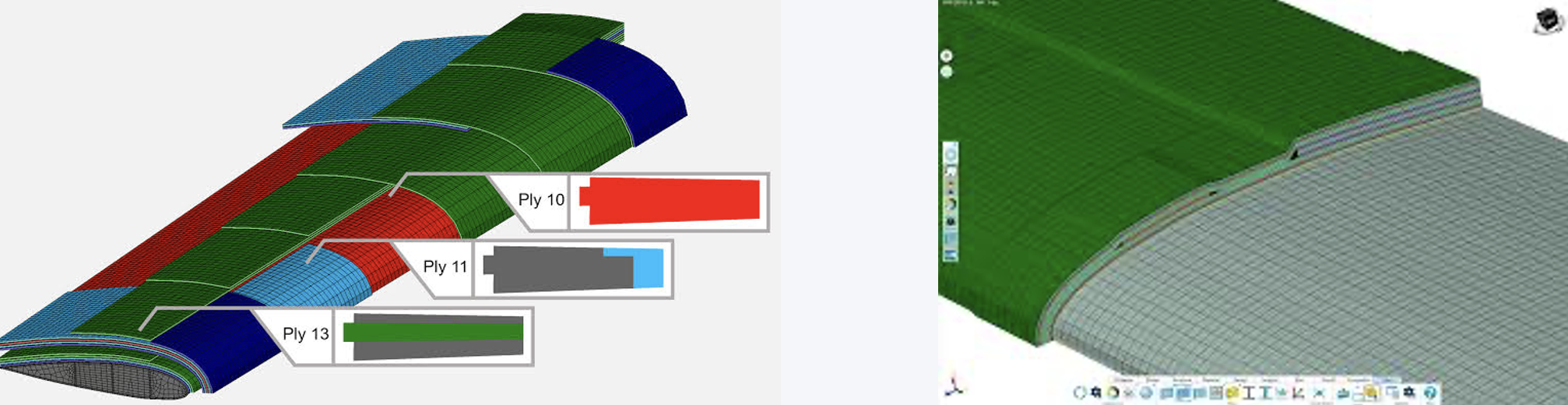
Composite Wing Development
The validated methodology was applied to a NACA 0012 composite wing. Material properties, laminate configurations and ply drop-off regions were developed in ANSYS ACP before carrying out structural analysis.
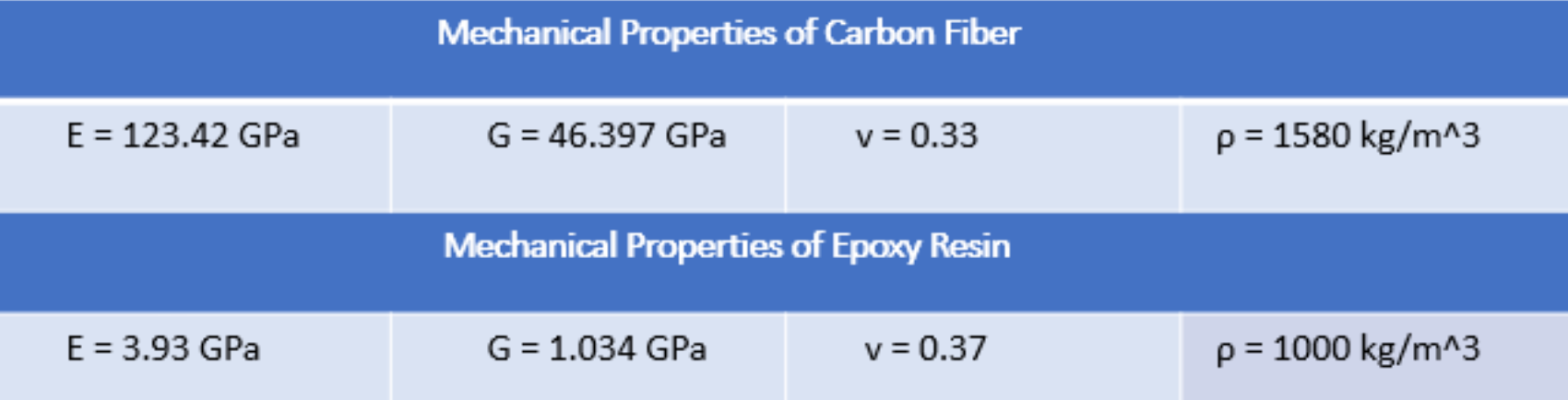
Material Properties
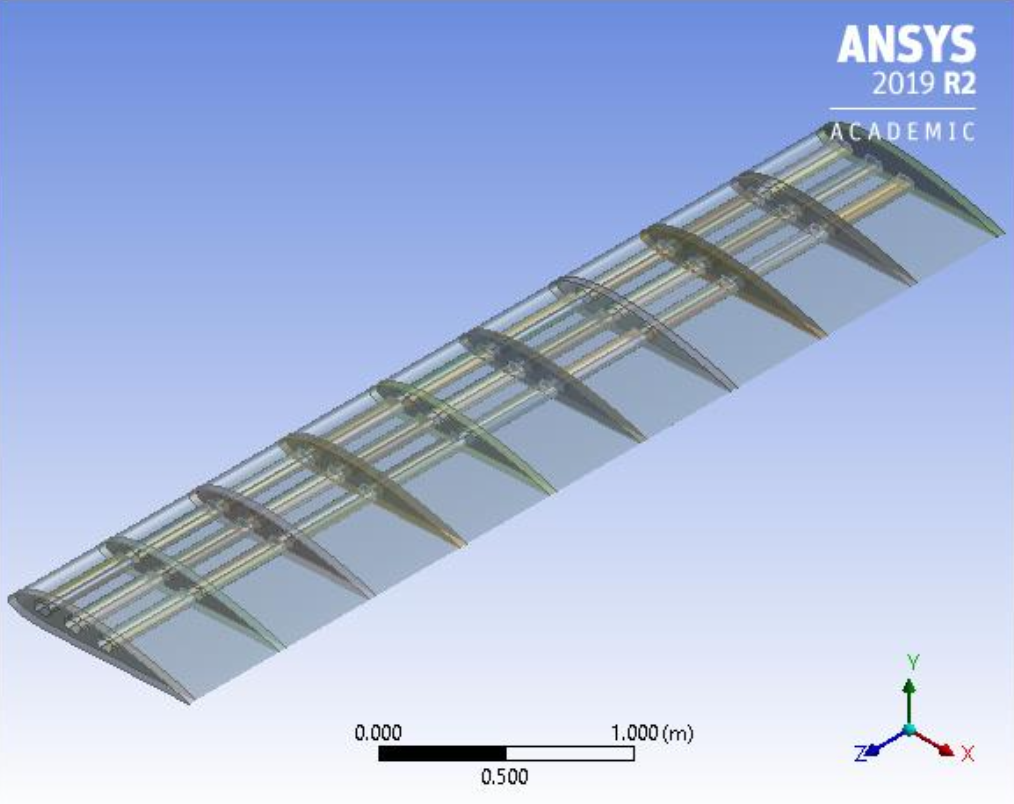
Wing Structure
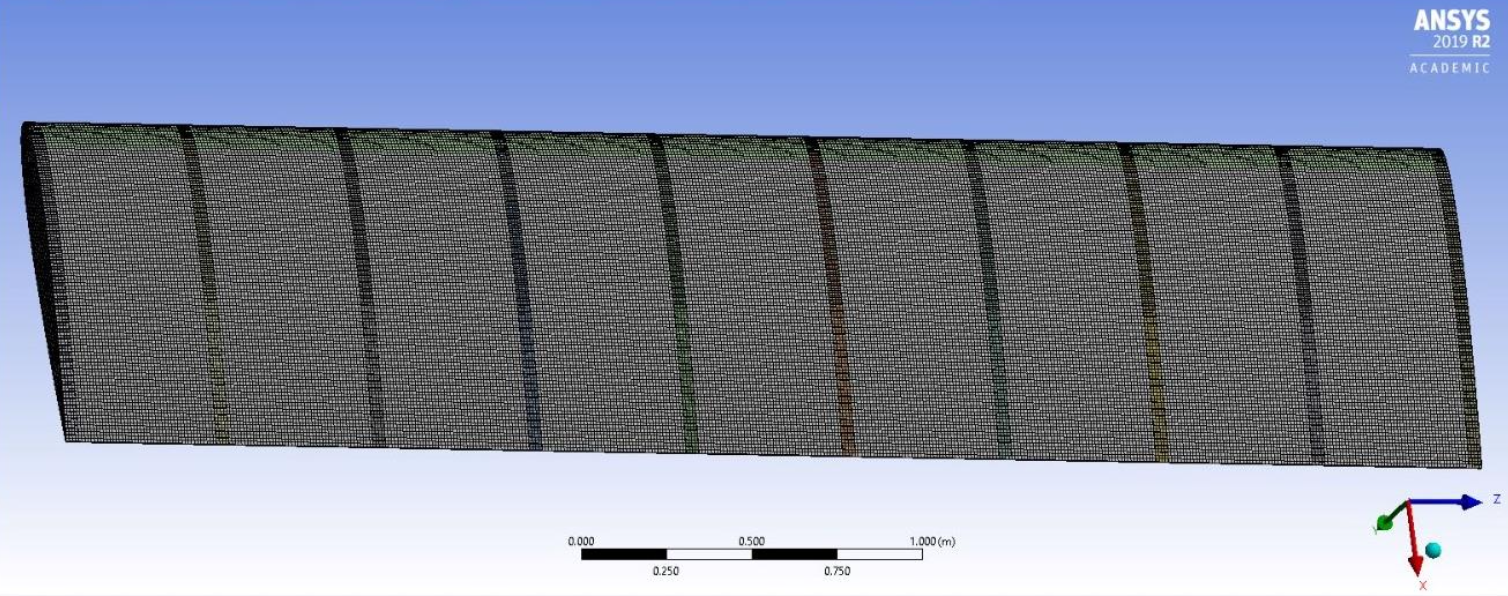
Finite Element Mesh
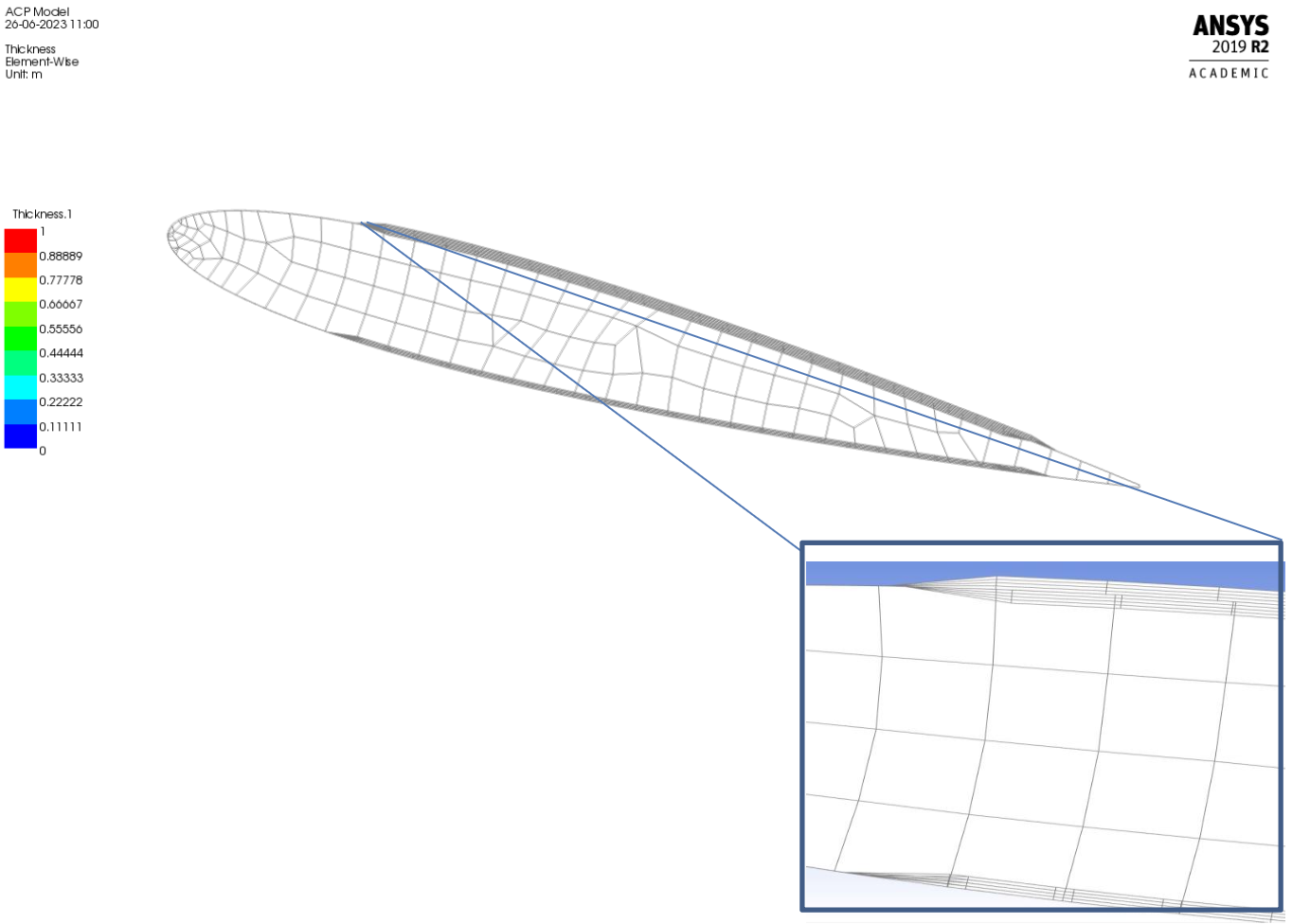
12-Ply Drop-Off
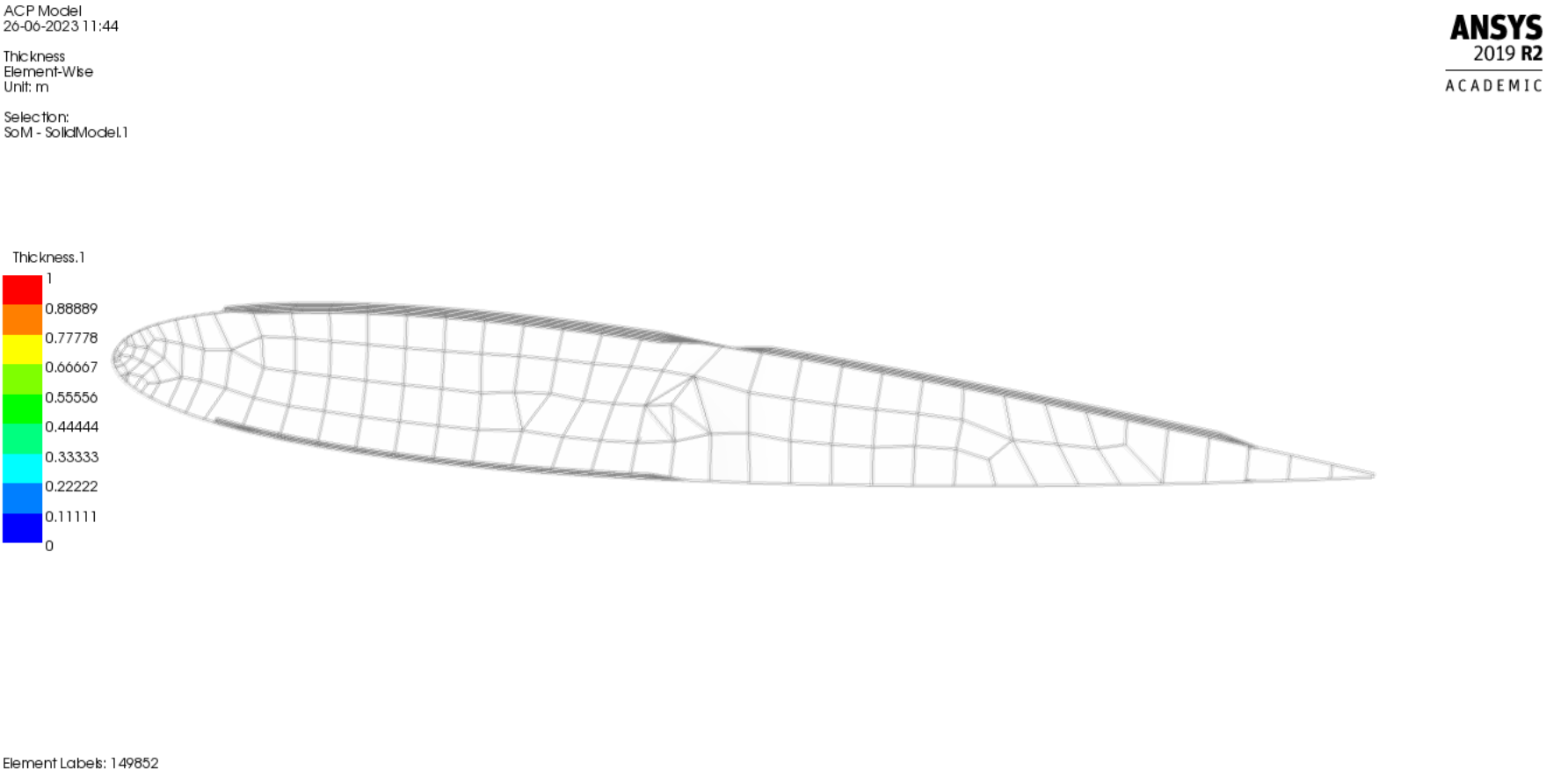
Ply Drop-Off Configuration
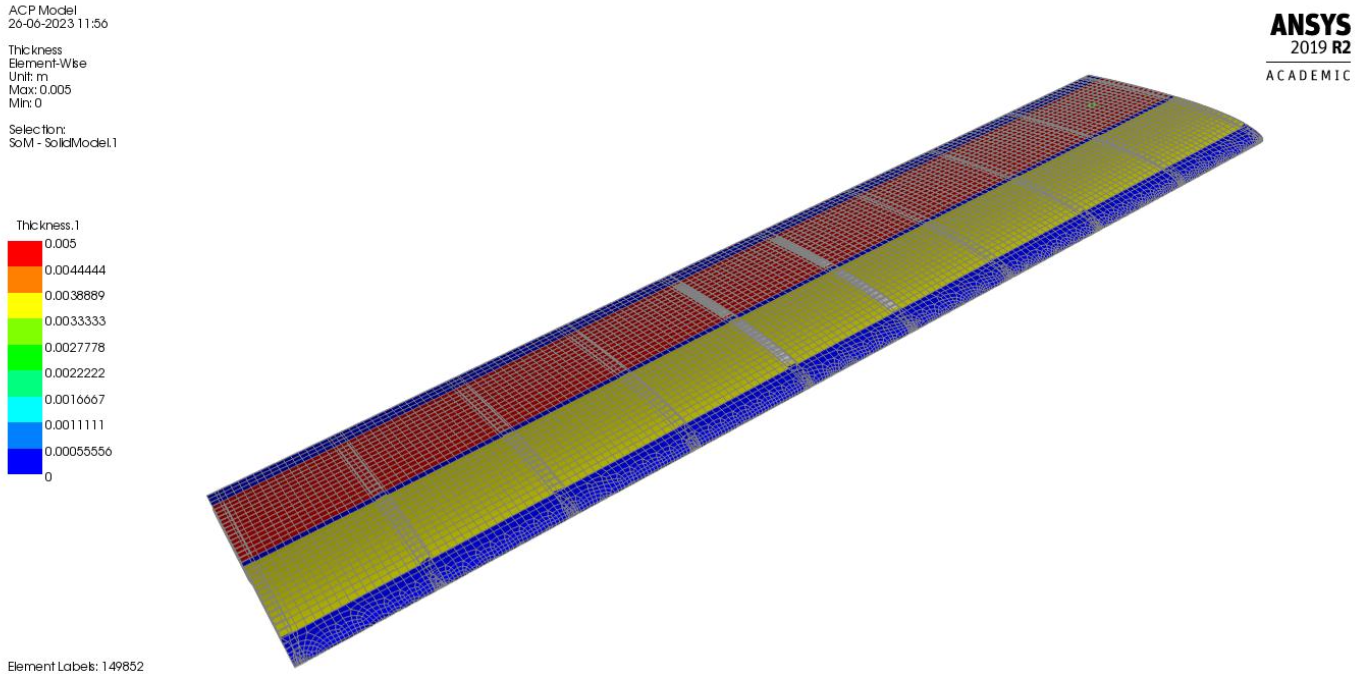
Two-Region Ply Drop-Off
Structural Analysis
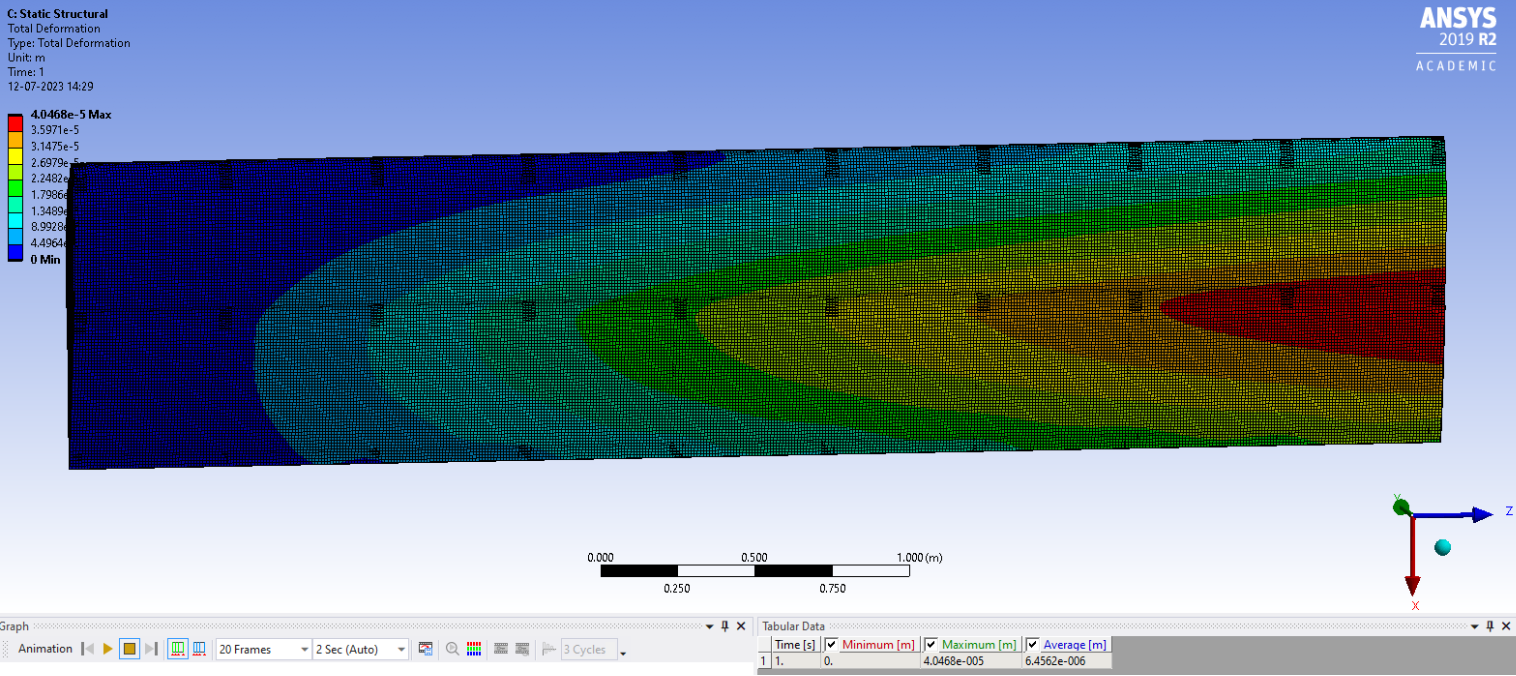
Structural analysis was performed to evaluate the deformation behaviour of the composite wing under the applied loading conditions, demonstrating the effect of the selected laminate configuration and ply drop-off strategy.
Conclusion
Validation against published research confirmed the accuracy of the finite element model before it was applied to the composite wing. The final carbon fibre configuration achieved a 17% reduction in mass compared with an equivalent aluminium structure while satisfying the applied structural limit load requirements.