BMS COLLEGE OF ENGINEERING • B.E. AEROSPACE ENGINEERING
Electric Vehicle Conversion
Propulsion System Design
Electric Vehicles • ANSYS • Transmission Design • Structural Analysis
Project Description
This undergraduate major project focused on converting an internal combustion engine vehicle into an electric vehicle by designing a complete propulsion system. The work involved motor selection, transmission design, tractive effort calculations, gear design and structural validation using ANSYS to develop a reliable electric drivetrain.
Project Snapshot
Electric Vehicle
Complete propulsion system developed for IC engine vehicle conversion.
ANSYS
Structural analysis performed on gears and propeller shaft components.
Gear Design
Designed and analysed the transmission system for electric propulsion.
Motor Selection
Selected an appropriate electric motor based on vehicle performance requirements.
My Contributions
As part of this undergraduate project, I contributed to the design and analysis of the electric propulsion system by performing engineering calculations, developing transmission components and validating the design using finite element analysis.
Motor Selection
- Evaluated electric motor characteristics based on vehicle performance requirements.
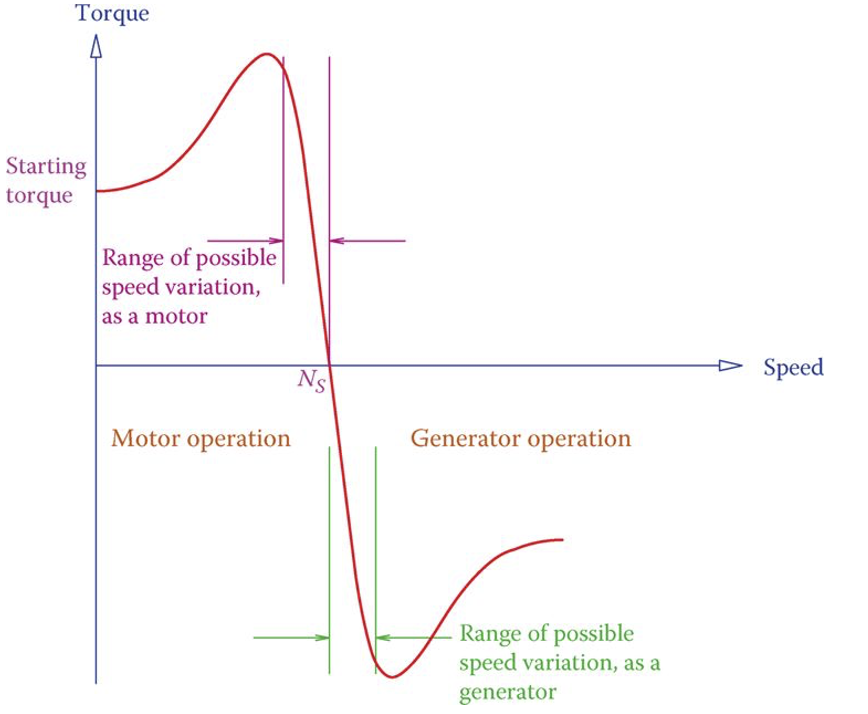
- Analysed torque-speed characteristics to support motor selection.
- Selected an appropriate motor for the electric vehicle conversion.
Transmission Design
- Performed tractive effort calculations to determine transmission requirements.
- Designed the gear transmission system for the electric propulsion drivetrain.
- Developed the transmission layout to achieve the required vehicle performance.
Structural Analysis
- Performed finite element analysis on gears and the propeller shaft using ANSYS.
- Evaluated stress distribution and total deformation under loading conditions.
- Verified that the designed components satisfied structural requirements.
System Overview
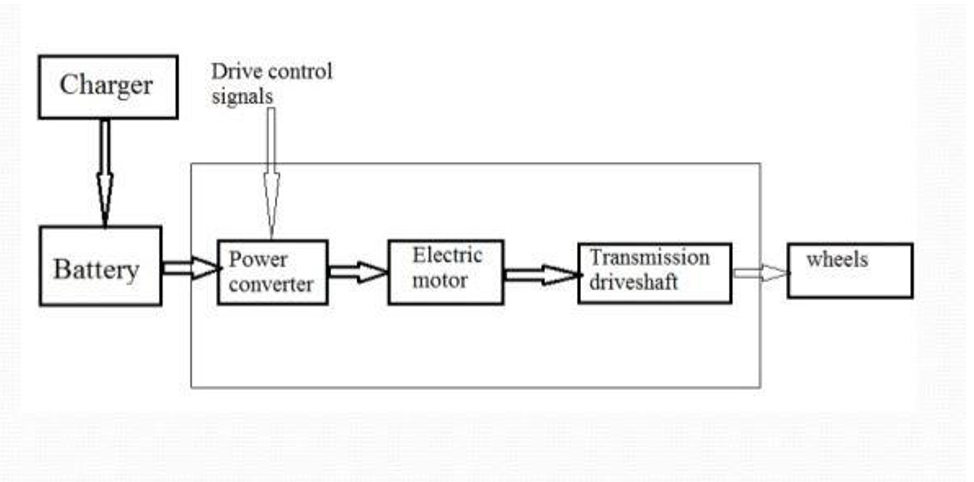
The electric propulsion system was developed to replace the conventional internal combustion engine powertrain with an electric drivetrain. The architecture integrates the battery pack, motor controller, electric motor, transmission system and differential to deliver power efficiently to the drive wheels.
- Studied the complete electric vehicle drivetrain architecture.
- Evaluated power transmission from the battery to the wheels.
- Used the system layout to support the transmission design process.
Motor Selection
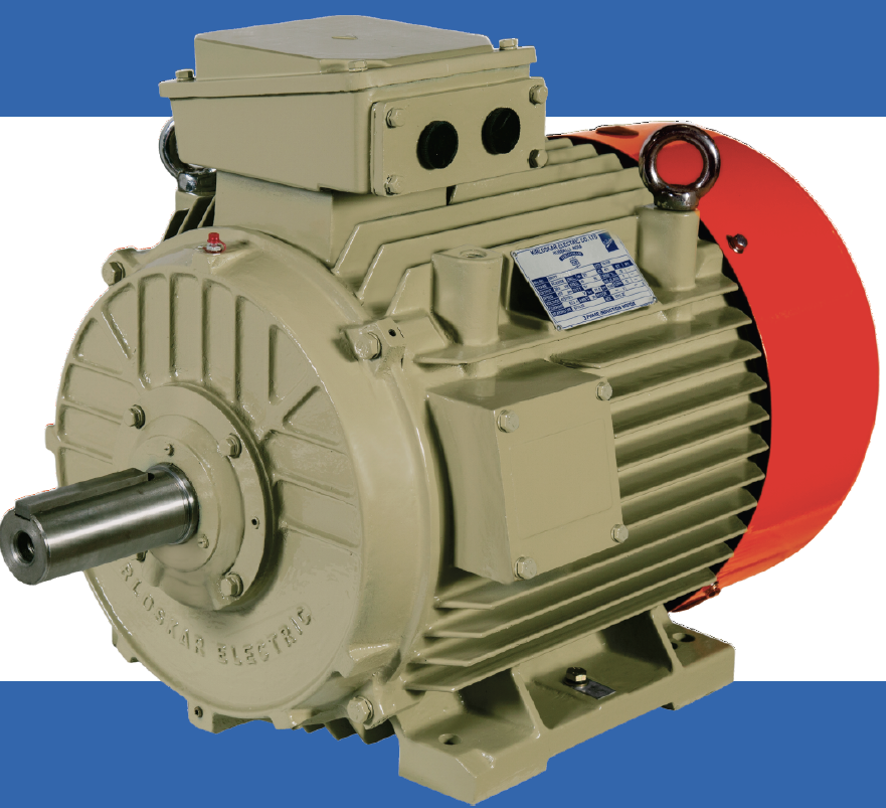
The electric motor was selected by evaluating torque-speed characteristics alongside the vehicle performance requirements. This ensured the chosen propulsion system could provide sufficient torque, acceleration and operating efficiency for the converted vehicle.
Selected Electric Motor
Motor Torque–Speed Characteristics
Tractive Effort Analysis
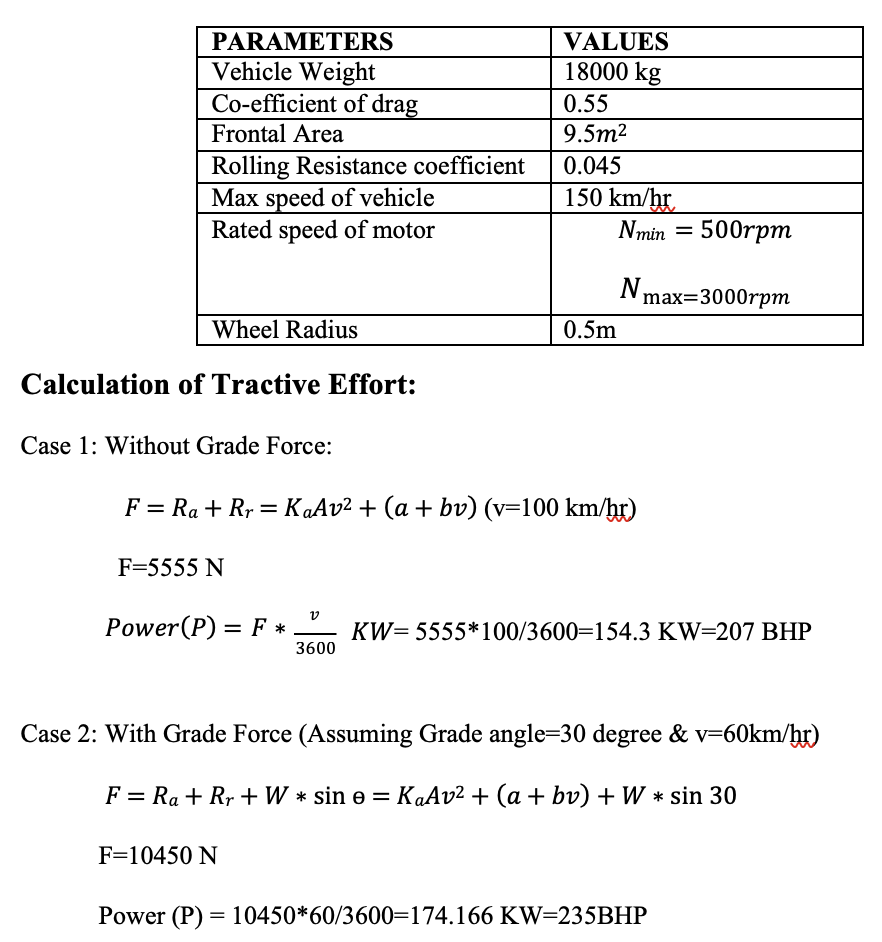
Tractive effort calculations were performed to determine the force required to overcome rolling resistance, aerodynamic drag and vehicle inertia. These calculations established the torque and power requirements used for motor and transmission selection.
- Calculated vehicle tractive effort requirements.
- Estimated motor torque demand under operating conditions.
- Provided the design basis for transmission sizing.
Tractive Effort Analysis
Tractive effort calculations were performed to determine the force required to overcome rolling resistance, aerodynamic drag and vehicle inertia. These calculations established the torque and power requirements used for motor and transmission selection.
- Calculated vehicle tractive effort requirements.
- Estimated motor torque demand under operating conditions.
- Provided the design basis for transmission sizing.
Transmission Design
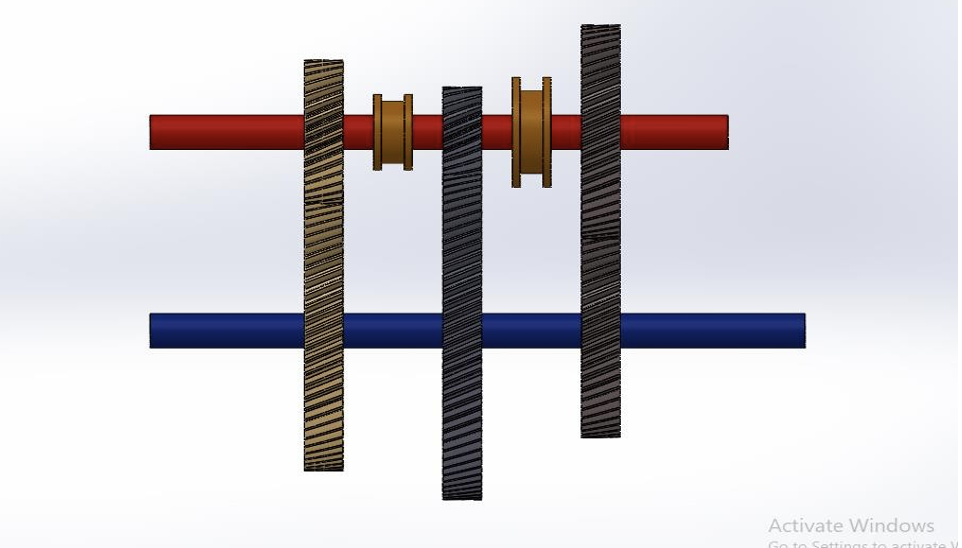
A multi-stage transmission system was developed to transmit power from the electric motor to the drive wheels while providing the required gear reduction and torque multiplication for vehicle operation.
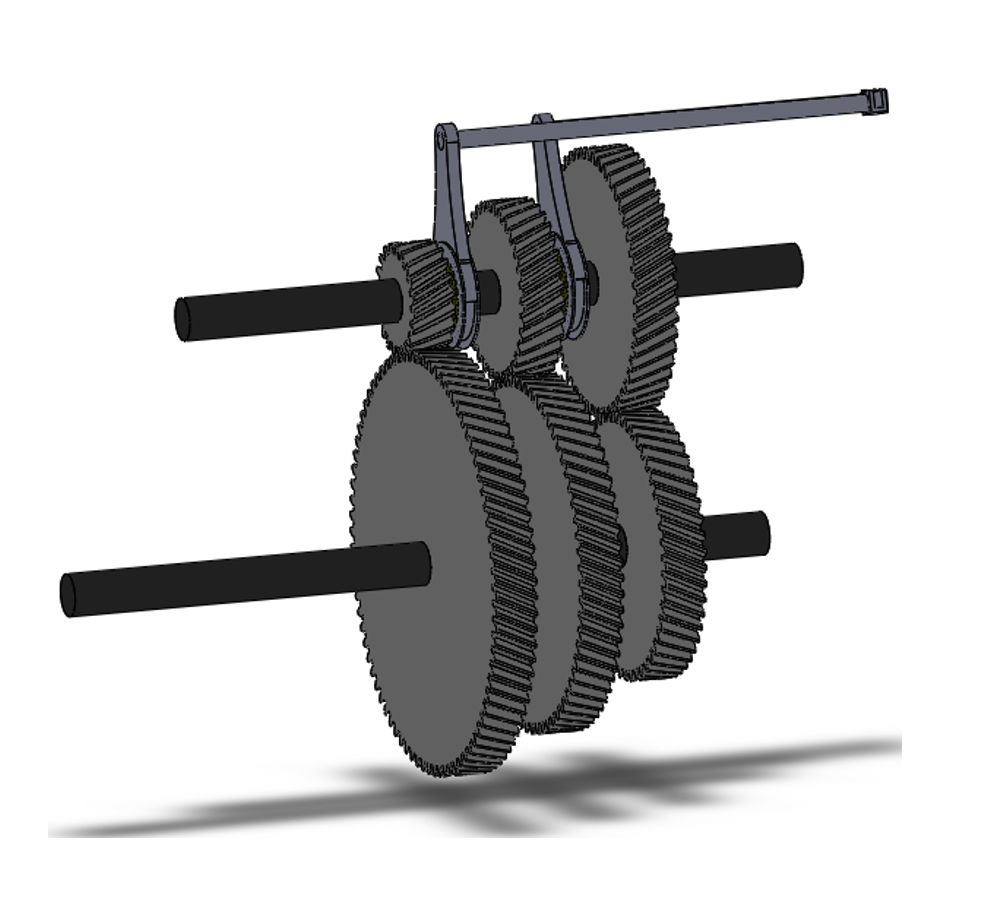
First Gear Engagement
Gear Structural Analysis
Static structural analysis was performed in ANSYS to evaluate the strength of the designed gear system under the applied loading conditions. The analysis verified that the gear design maintained acceptable stress levels and deformation throughout operation.
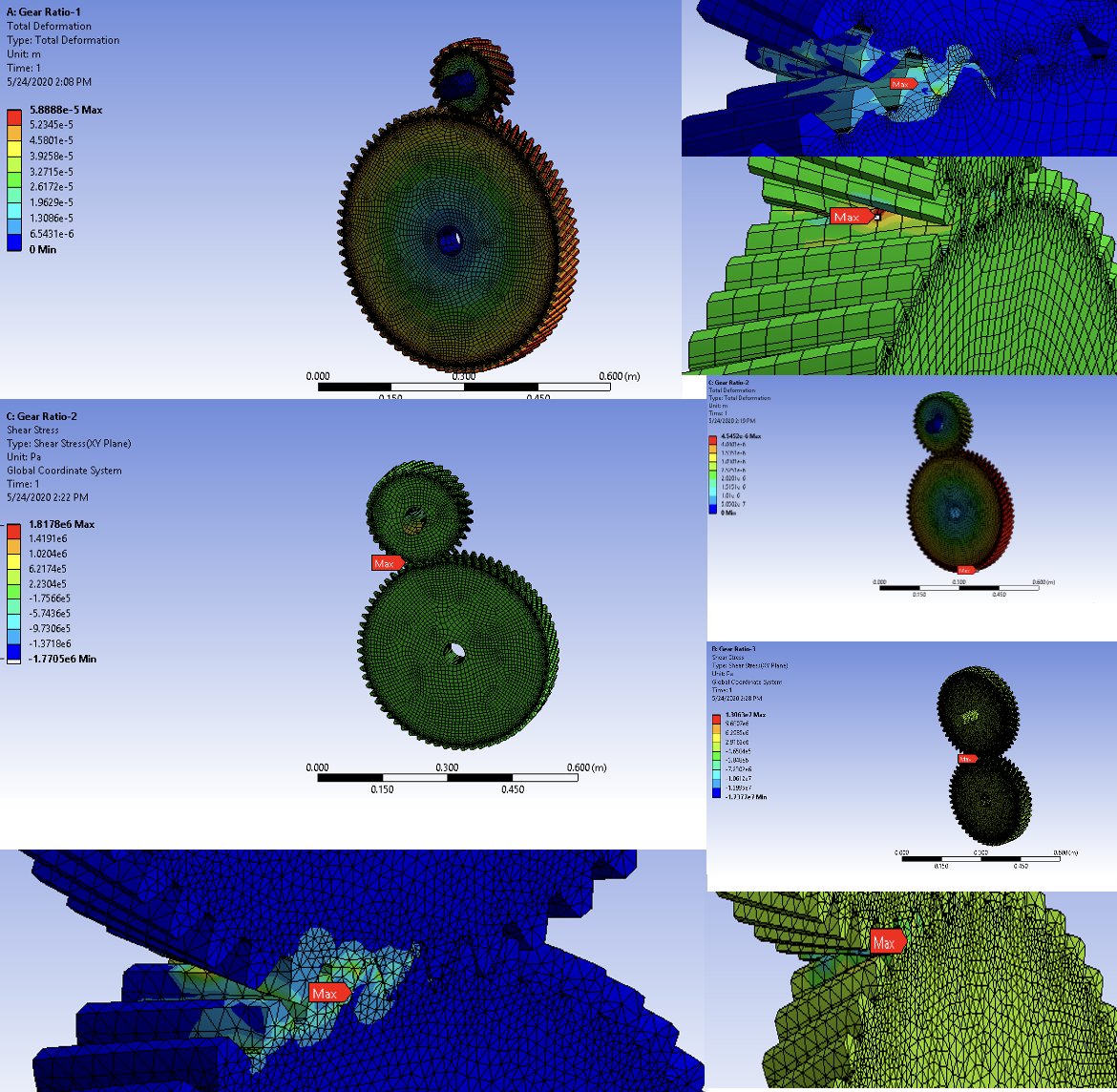
Equivalent Stress Distribution
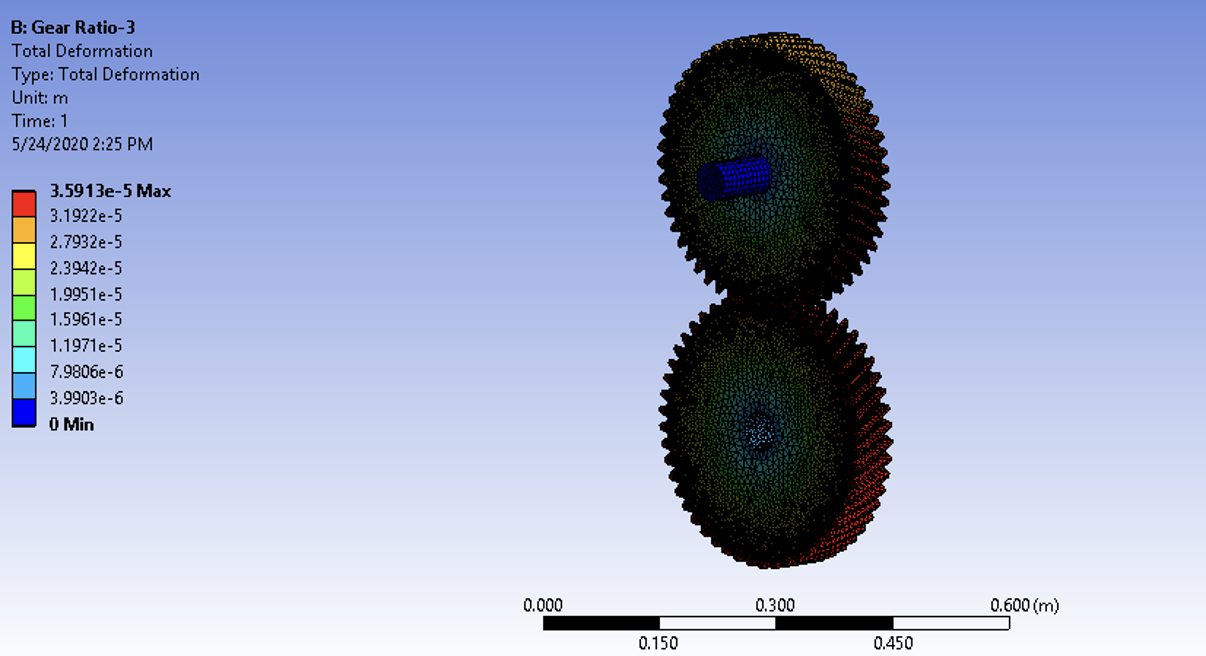
Total Deformation
Propeller Shaft Structural Analysis
The propeller shaft was analysed using finite element analysis to assess its structural response under operational loading. Stress and deformation results confirmed that the shaft design satisfied the required strength and stiffness criteria for the electric propulsion system.
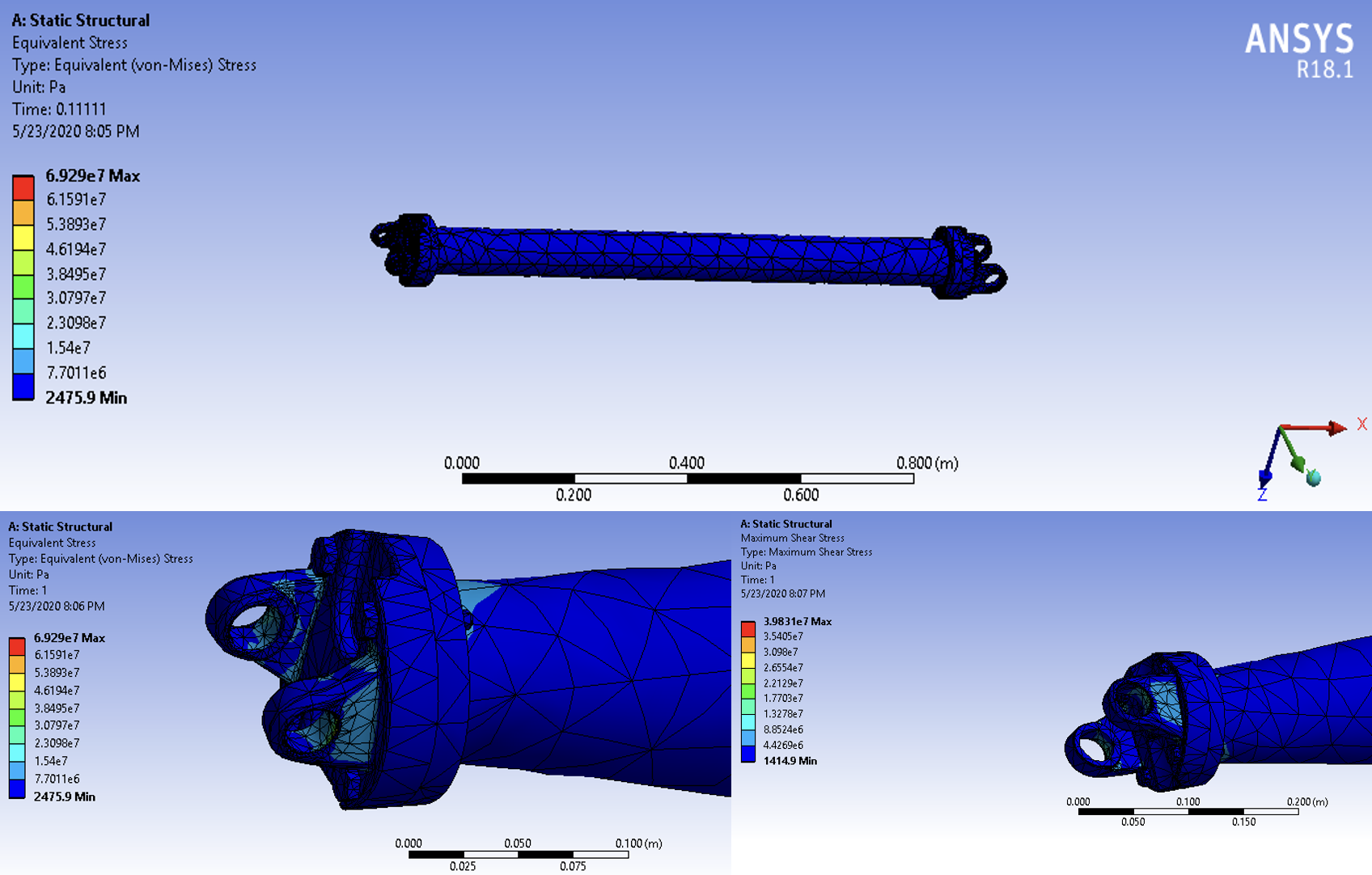
Equivalent Stress Distribution
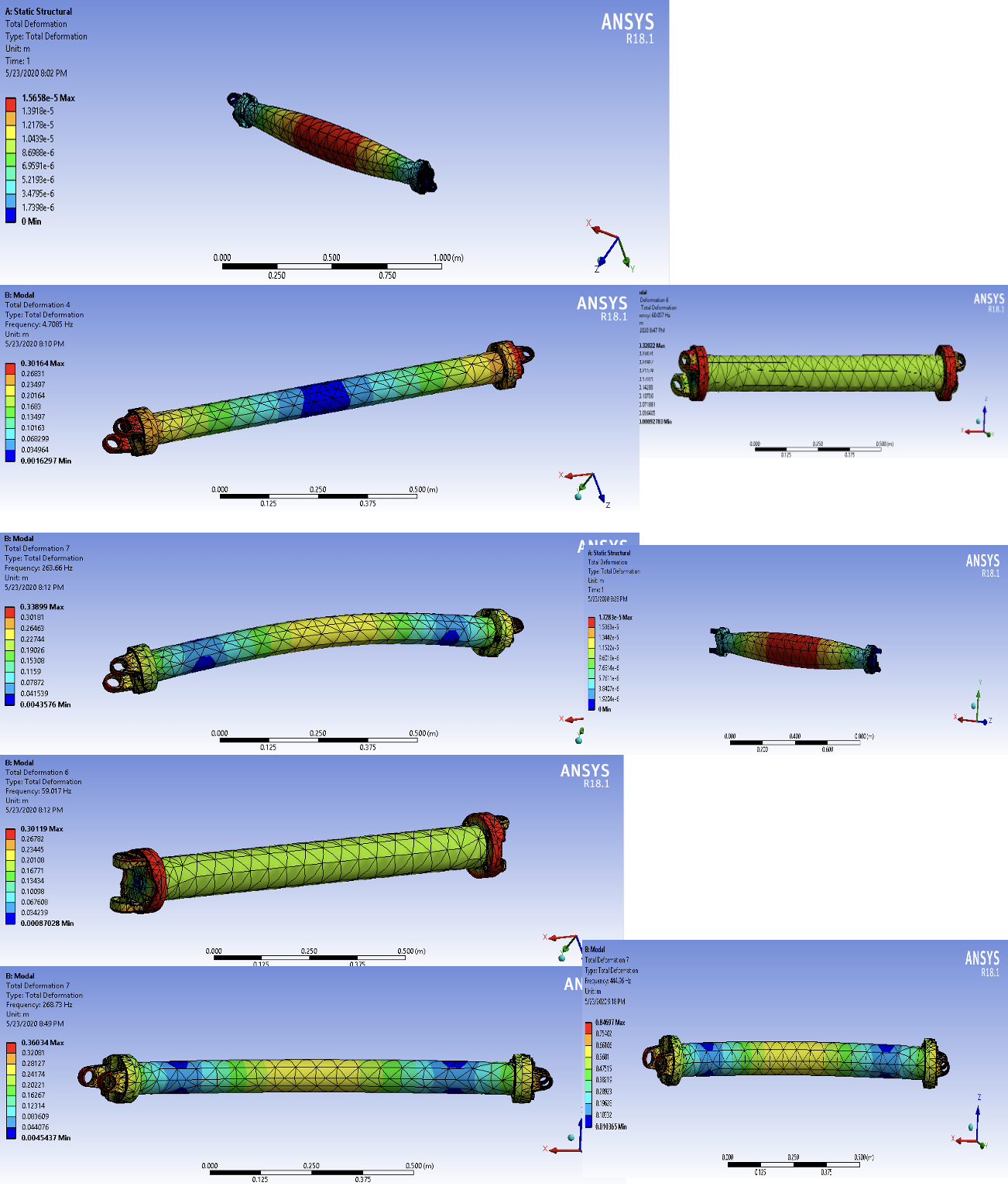
Total Deformation
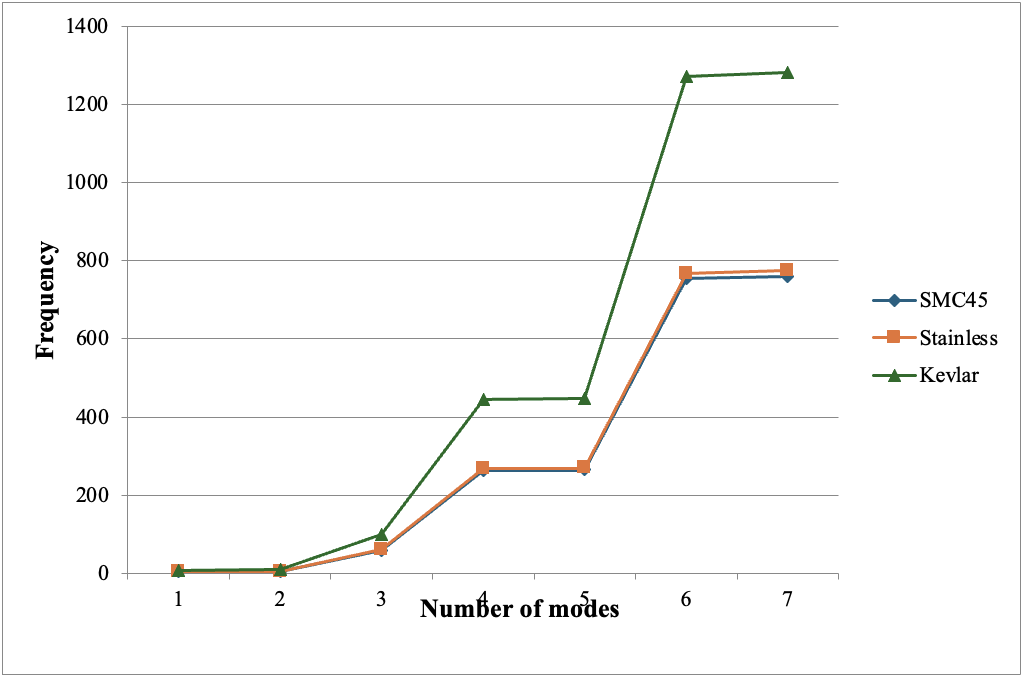
Final Design Summary
The completed propulsion system integrates the selected electric motor, transmission components and structural analyses into a complete electric vehicle conversion concept. The graphical interpretation summarises the final engineering design developed throughout the project.
Conclusion
This project demonstrated the complete engineering workflow required to convert an internal combustion engine vehicle into an electric vehicle. Through motor selection, tractive effort analysis, transmission design and finite element validation, a complete electric propulsion system was developed and verified. The project strengthened my understanding of electric vehicle powertrains, machine design and structural analysis using ANSYS.