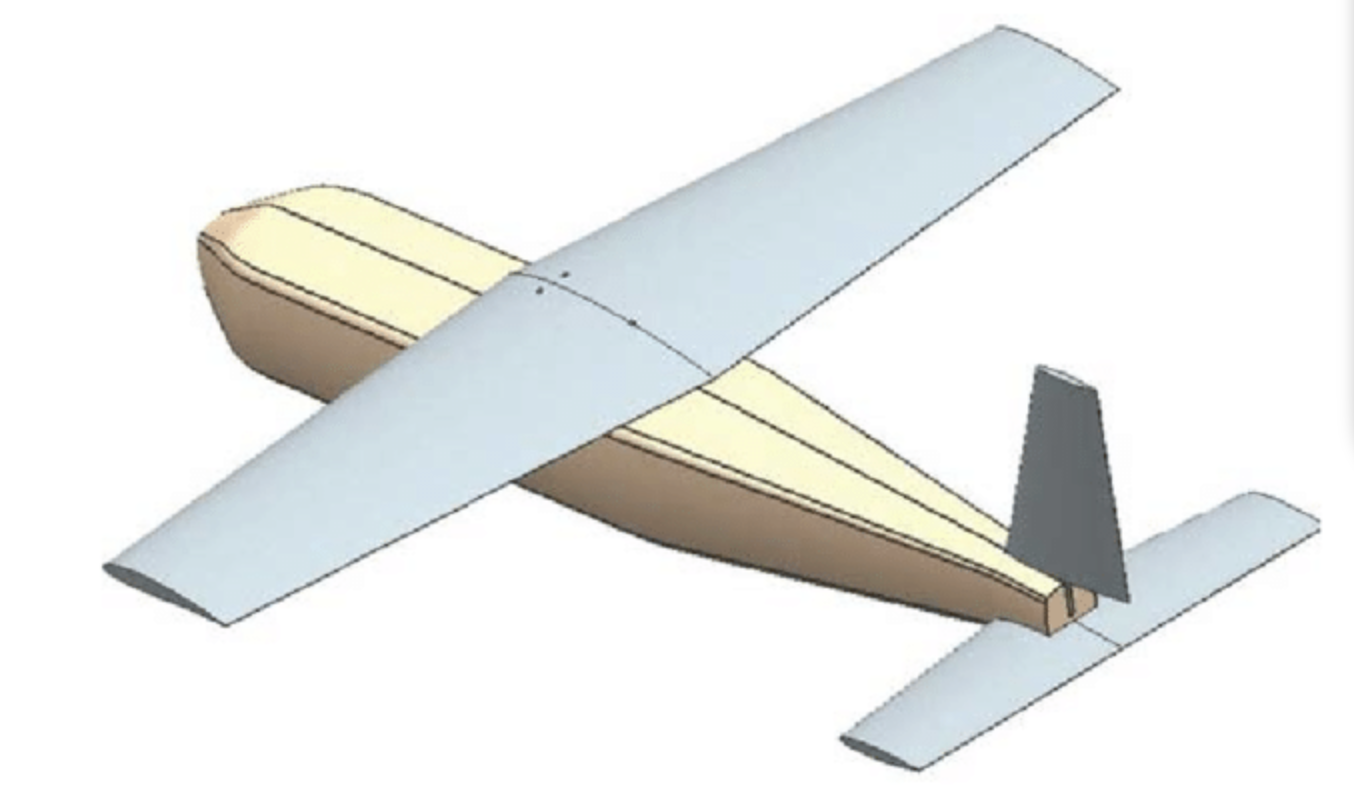
UNIVERSITY OF SHEFFIELD • M.SC. AEROSPACE ENGINEERING
Micro Air Vehicle
Aerodynamic Design & Optimisation
Aerodynamics • XFOIL • MATLAB • Aircraft Performance Analysis
Project Description
This MSc project investigated the aerodynamic design of a fixed-wing Micro Air Vehicle (MAV) using analytical calculations, MATLAB and XFOIL. The objective was to optimise the wing configuration by evaluating aspect ratio, airfoil performance, lift-to-drag ratio and thrust requirements before selecting the final design.
Project Snapshot
MATLAB
Automated aerodynamic calculations and performance analysis.
XFOIL
Evaluated aerodynamic characteristics of candidate airfoils.
AR Optimisation
Compared multiple aspect ratios to minimise induced drag.
NACA 2412
Selected as the optimum airfoil for the final wing design.
My Role
I worked on:
- Developed MATLAB scripts to automate aerodynamic calculations and performance analysis.
- Used XFOIL to evaluate the aerodynamic characteristics of multiple NACA airfoils.
- Compared aspect ratios to minimise induced drag and improve aerodynamic efficiency.
- Selected the optimum wing configuration based on lift-to-drag ratio, drag coefficient and thrust requirements.
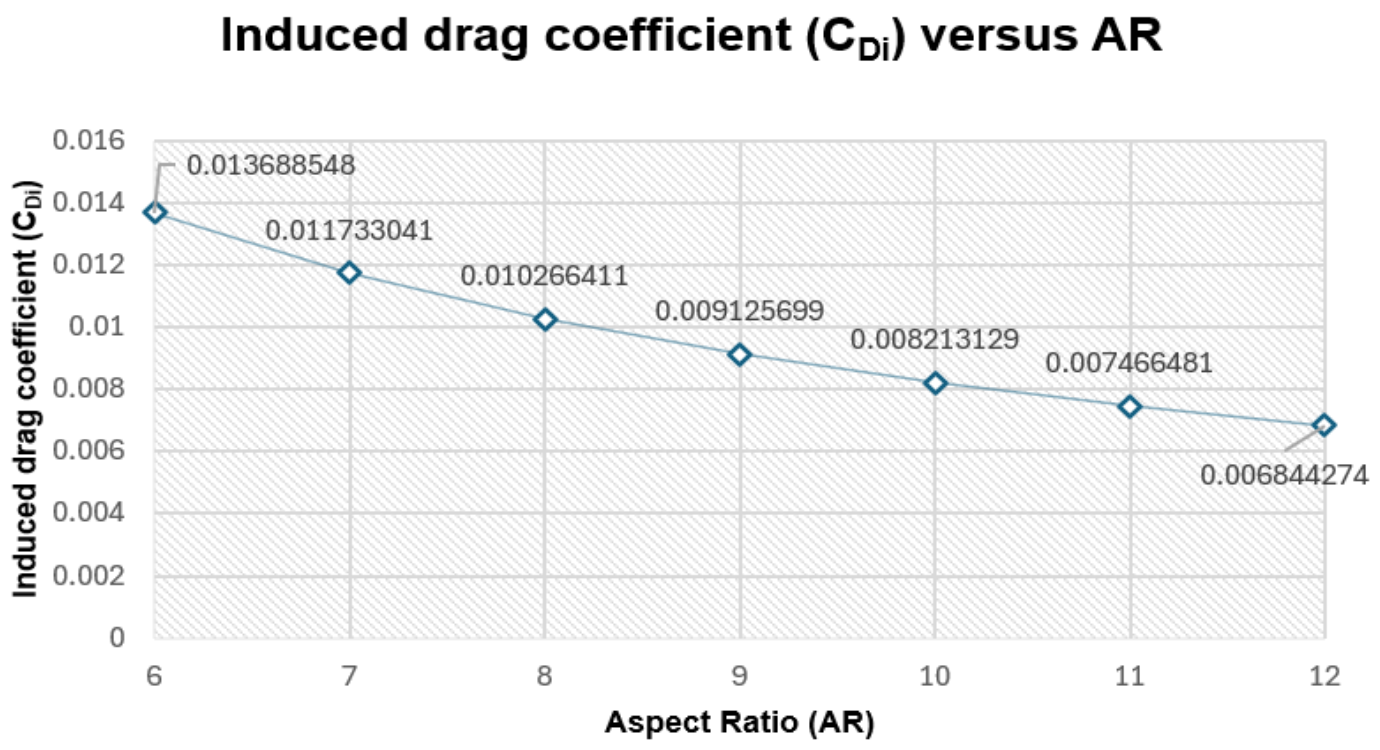
Aspect Ratio Optimisation
Different aspect ratios were evaluated to investigate their influence on induced drag. The study identified the optimum configuration by balancing aerodynamic efficiency and practical wing geometry.
Airfoil Selection
Seven NACA airfoils were evaluated using XFOIL to compare their aerodynamic performance. Drag polars and lift-to-drag characteristics were assessed to identify the most suitable airfoil for the final Micro Air Vehicle wing.
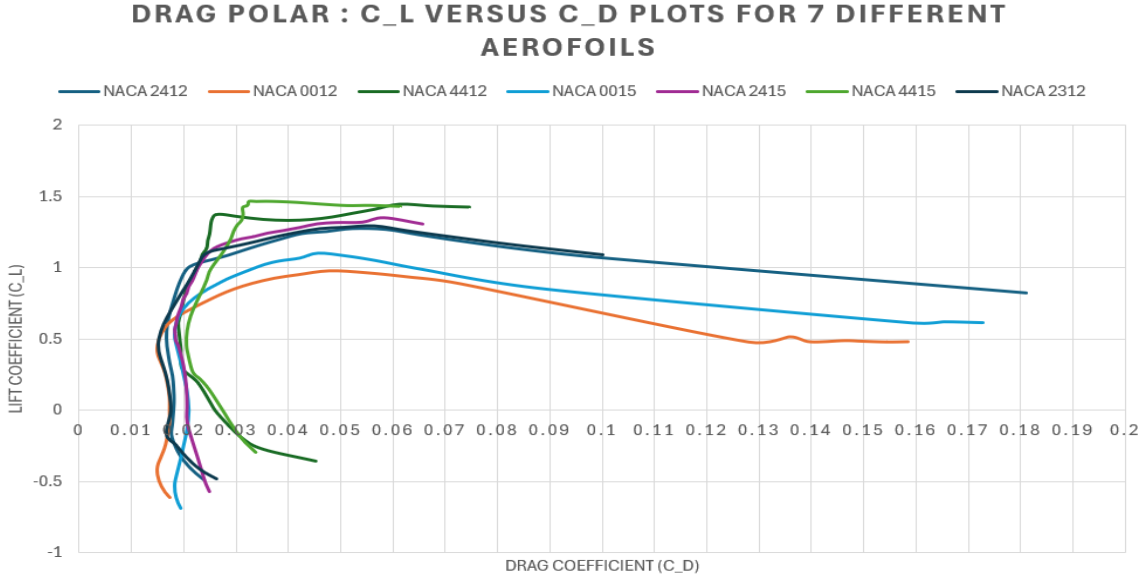
Drag Polar Comparison
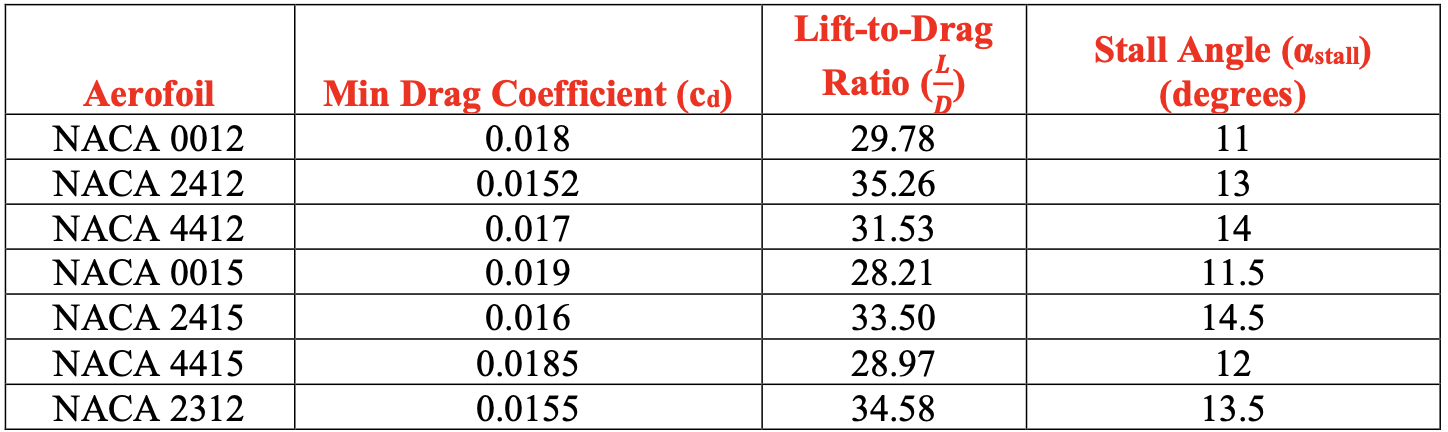
Airfoil Performance Comparison
XFOIL Aerodynamic Analysis
The selected airfoil was analysed in XFOIL to investigate its aerodynamic behaviour over a range of angles of attack. Lift and drag characteristics were used to assess aerodynamic performance before the final wing design was selected.
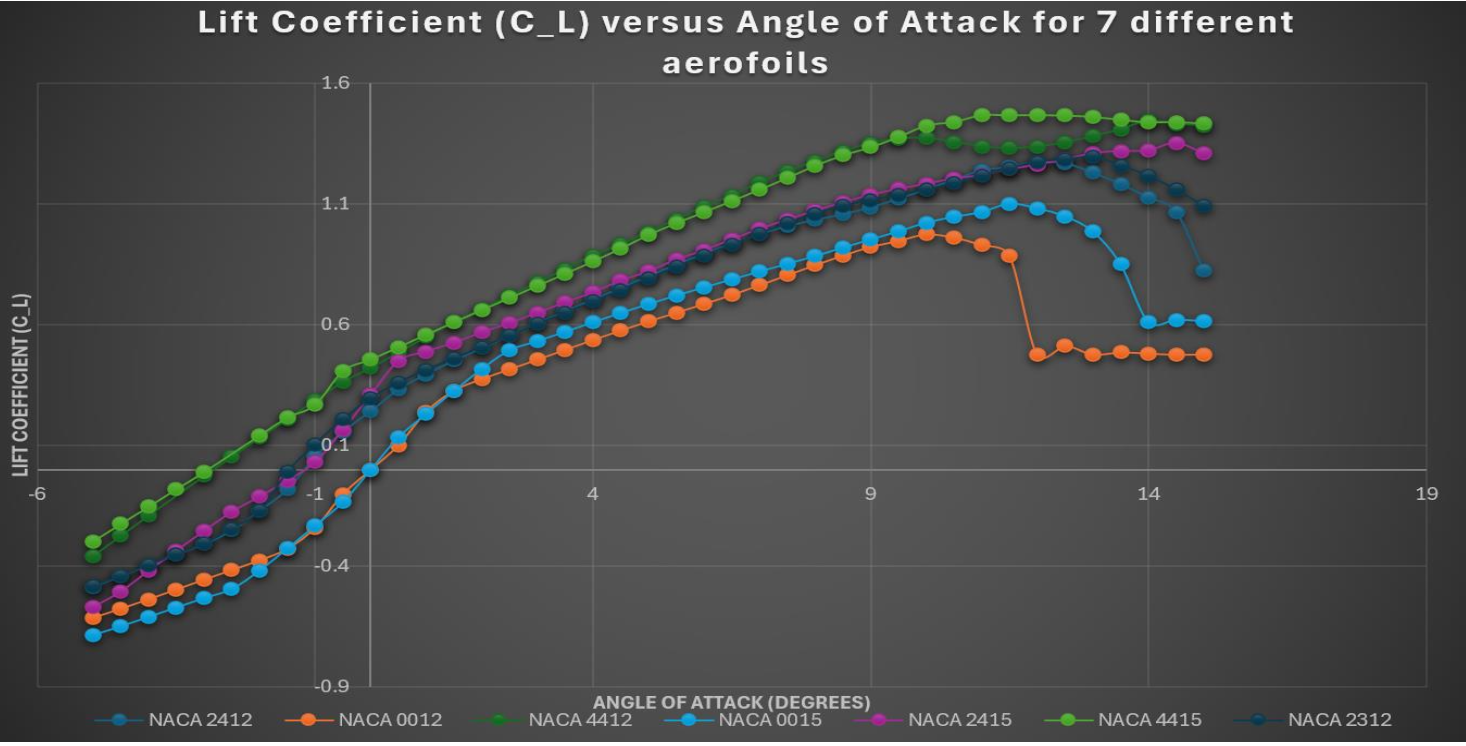
Lift Coefficient vs Angle of Attack
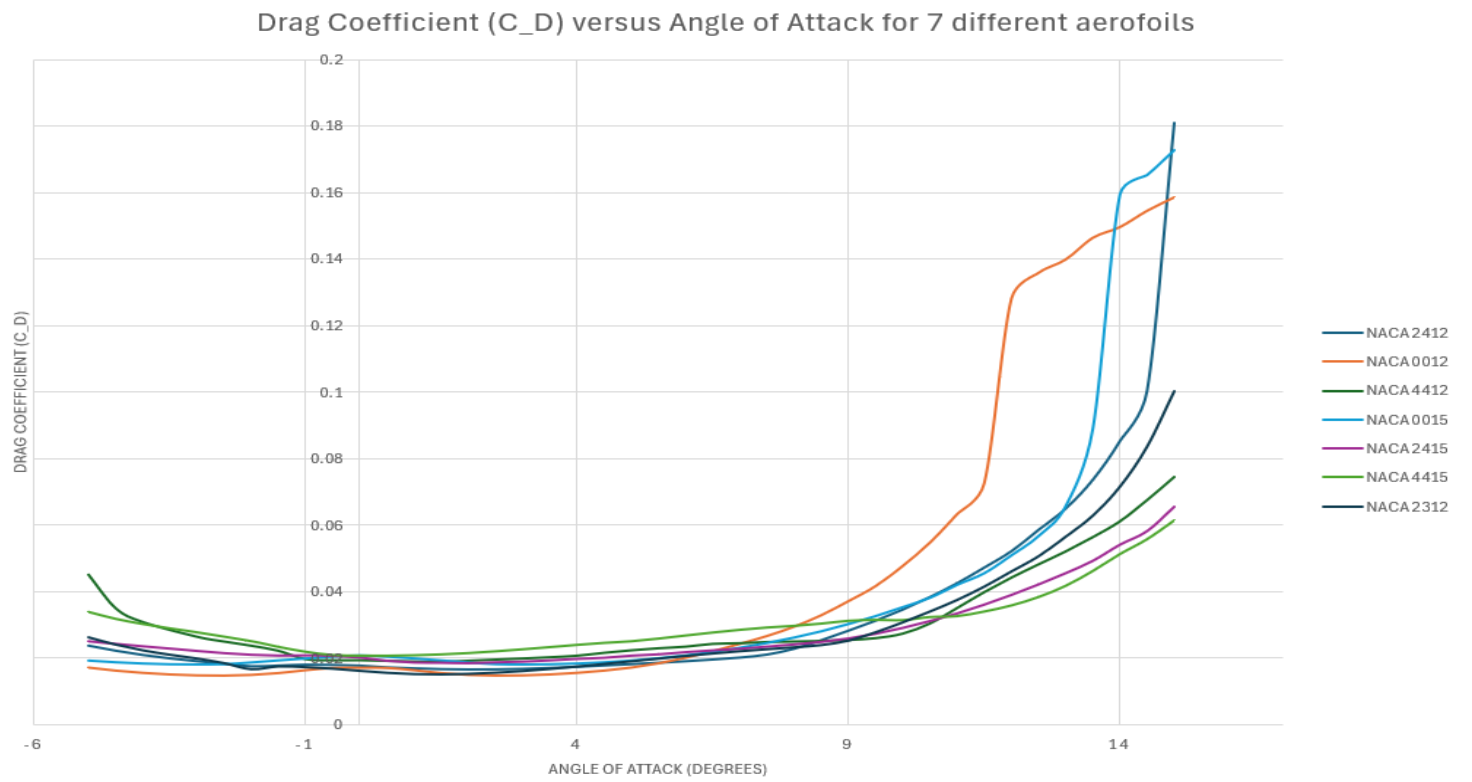
Drag Coefficient vs Angle of Attack
MATLAB Performance Analysis
MATLAB was used to automate the aerodynamic calculations and evaluate the thrust required for steady level flight. The results supported the final wing configuration by confirming that the selected design satisfied the required performance criteria.
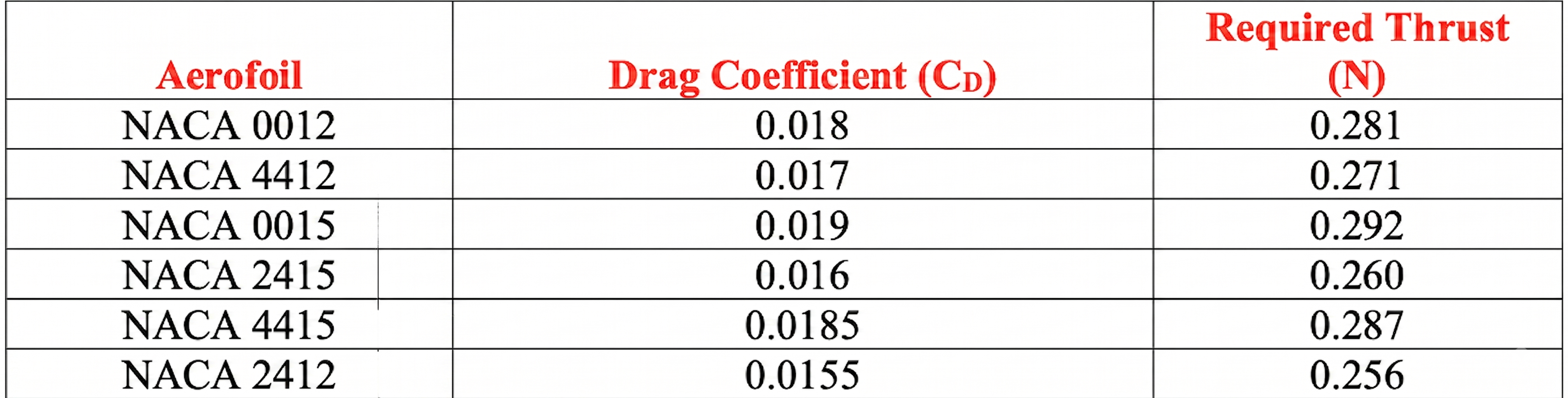
Engineering Skills
MATLAB
Numerical calculations and performance analysis.
XFOIL
Airfoil aerodynamic analysis and comparison.
Aerodynamics
Airfoil selection and wing optimisation.
Engineering Analysis
Performance evaluation and engineering decision making.
Conclusion
The study successfully identified an optimum wing configuration through systematic aerodynamic analysis using MATLAB and XFOIL. By evaluating aspect ratio, airfoil performance and thrust requirements, the final design achieved an efficient balance between aerodynamic performance and practical design constraints, demonstrating a structured engineering approach to Micro Air Vehicle wing optimisation.