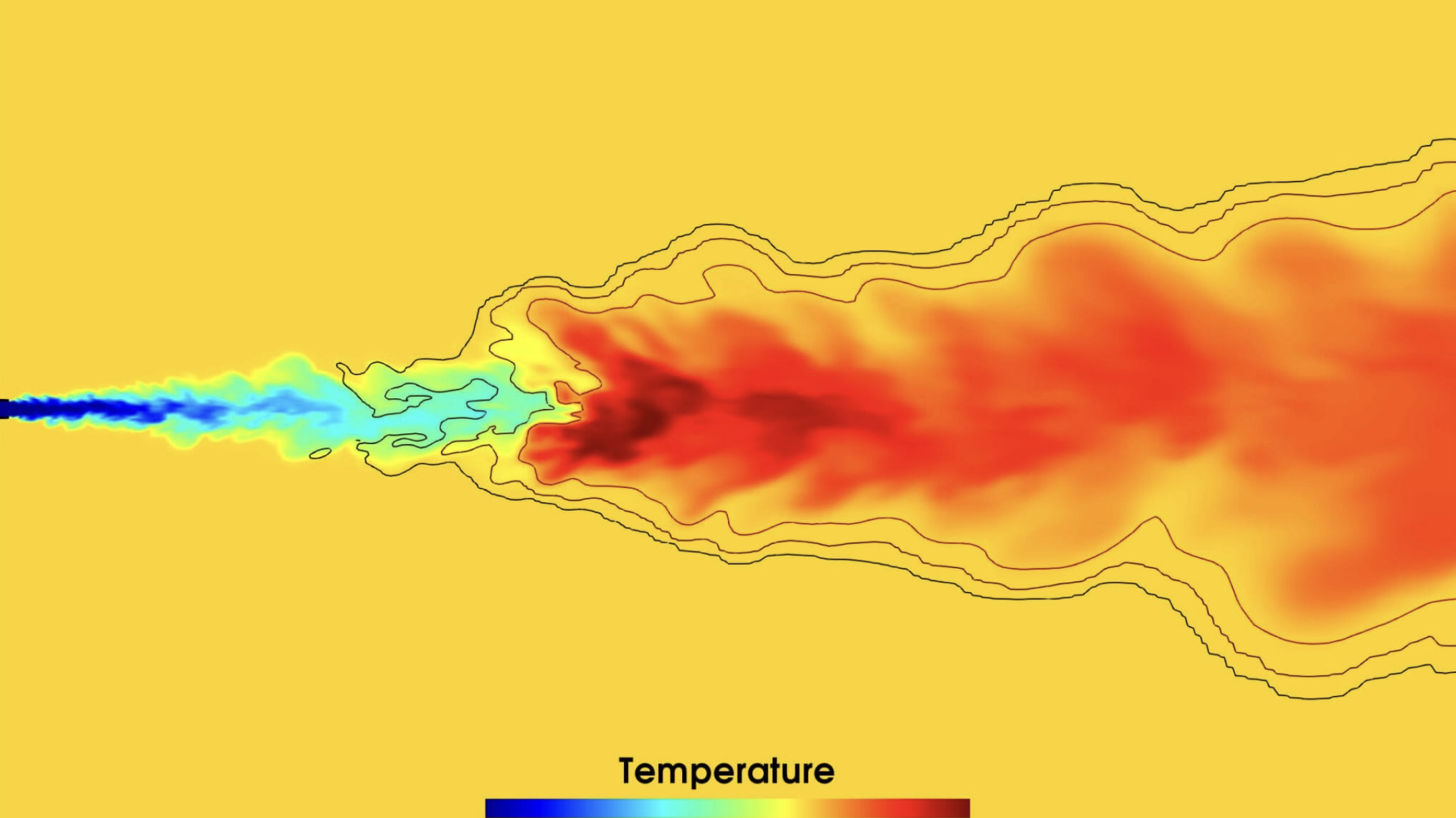
MSc Aerospace Engineering Dissertation
Kinetic Modelling Study of
Alternative Aviation Fuels
Computational combustion modelling using ANSYS Chemkin-Pro 2024 R1
Project Details
University
University of Sheffield
Supervisor
Dr. Kevin Hughes
Software
ANSYS Chemkin-Pro 2024 R1
Focus
Combustion Kinetics & Sustainable Aviation Fuels
Project Overview
This dissertation investigated six kerosene surrogate kinetic mechanisms using ANSYS Chemkin-Pro to evaluate their ability to predict ignition delay, laminar flame speed and combustion characteristics for sustainable aviation fuels.
Objectives
- Evaluate six published kerosene surrogate kinetic mechanisms.
- Predict laminar flame speed using ANSYS Chemkin-Pro.
- Predict ignition delay time under aviation-relevant conditions.
- Compare simulation results against published experimental data.
- Identify the most accurate mechanism for sustainable aviation fuel research.
Methodology
Literature Review
Reviewed published combustion experiments and surrogate fuel mechanisms.
Mechanism Selection
Selected six kinetic mechanisms representing different kerosene surrogates.
CHEMKIN Simulations
Simulated laminar flame speed, ignition delay and reaction sensitivity.
Validation
Compared simulation outputs against published experimental datasets.
Evaluation
Ranked mechanisms using APD and RMSE to determine predictive accuracy.
Results
Single-Component Laminar Flame Speed
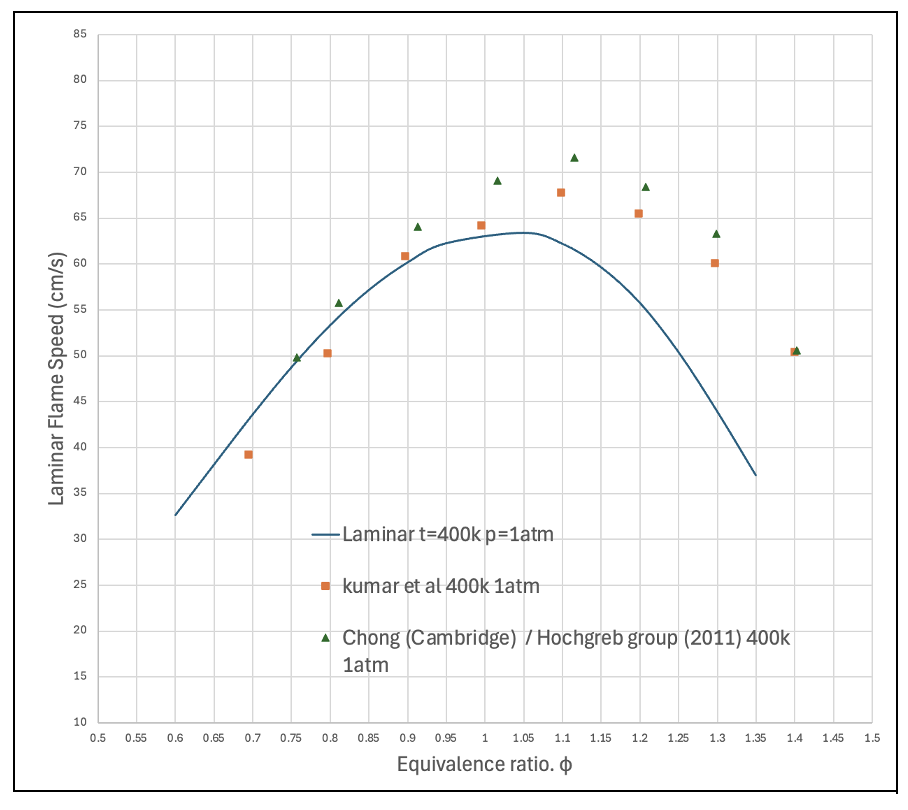
Figure 1. Laminar flame speed validation at 400 K.
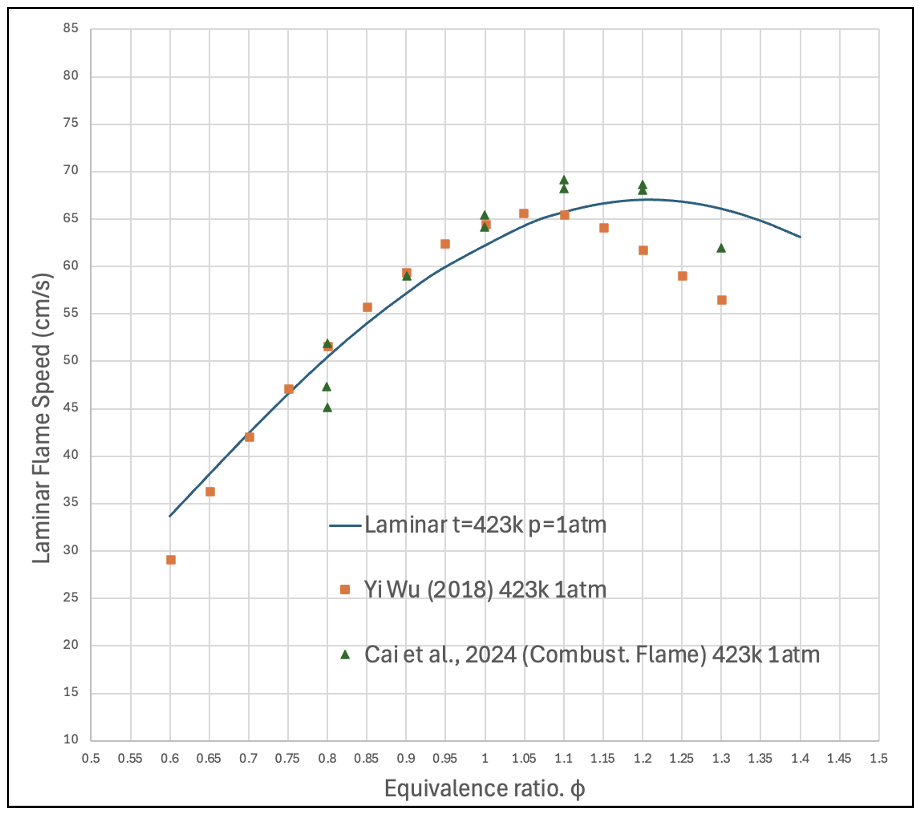
Figure 2. Laminar flame speed validation at 423 K.
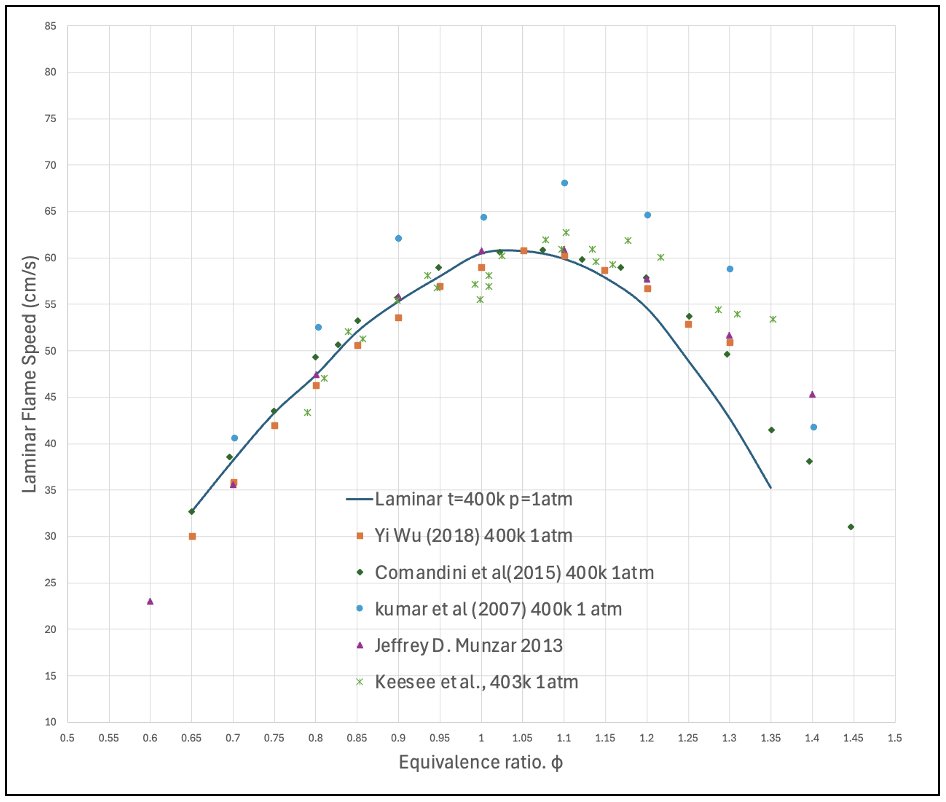
Figure 3. Laminar flame speed validation for n-Heptane.
Single-component surrogate mechanisms were validated against experimental laminar flame speed measurements across a range of operating conditions.
Multi-Component Laminar Flame Speed
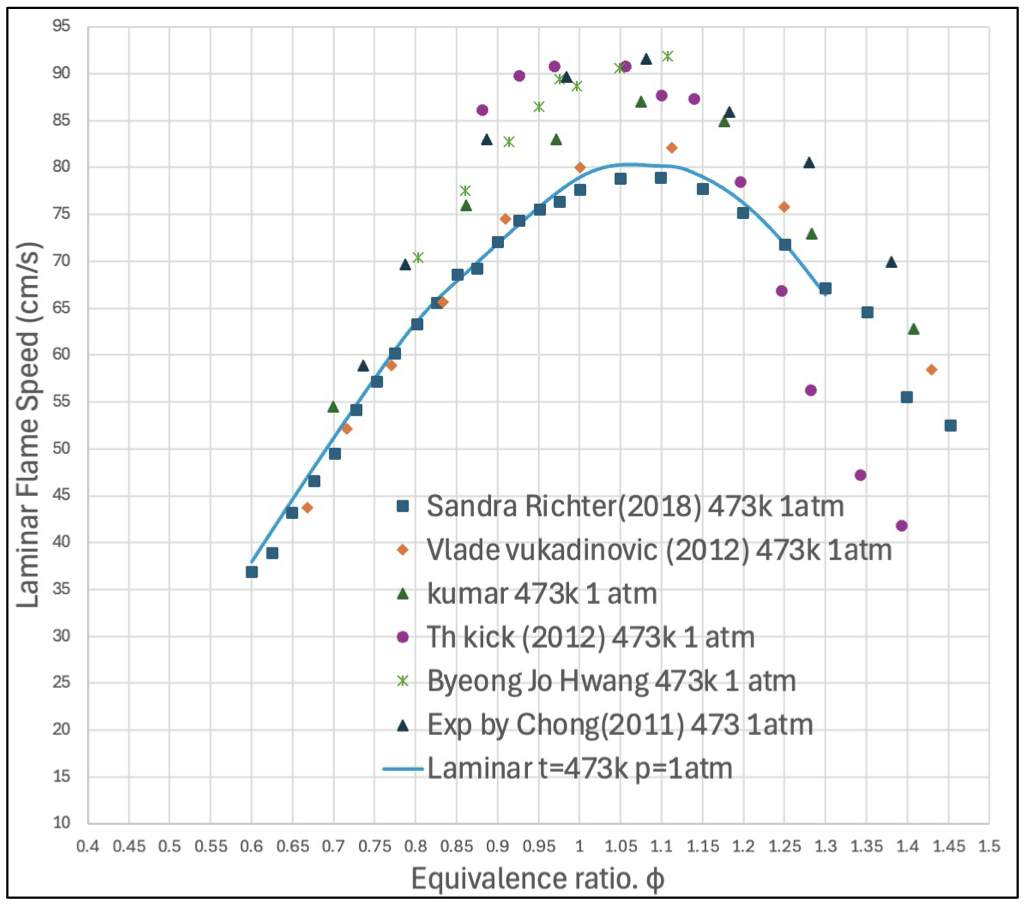
Figure 4. Multi-component laminar flame speed validation at 1 atm.
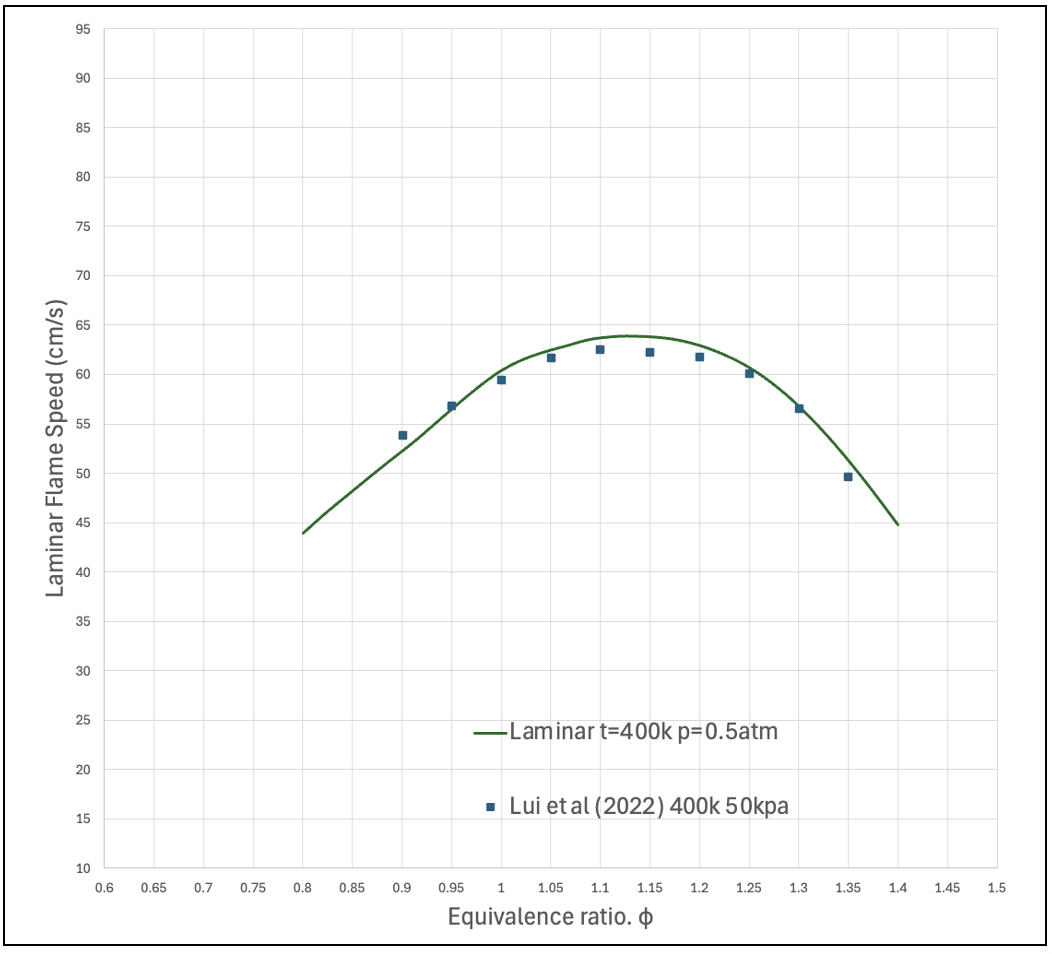
Figure 5. Multi-component laminar flame speed validation at 0.5 atm.
Multi-component surrogate mechanisms were validated under atmospheric and sub-atmospheric conditions. The results demonstrate improved predictive performance across a wider range of combustion conditions compared with single-component surrogate models.
Ignition Delay Time – 7 bar
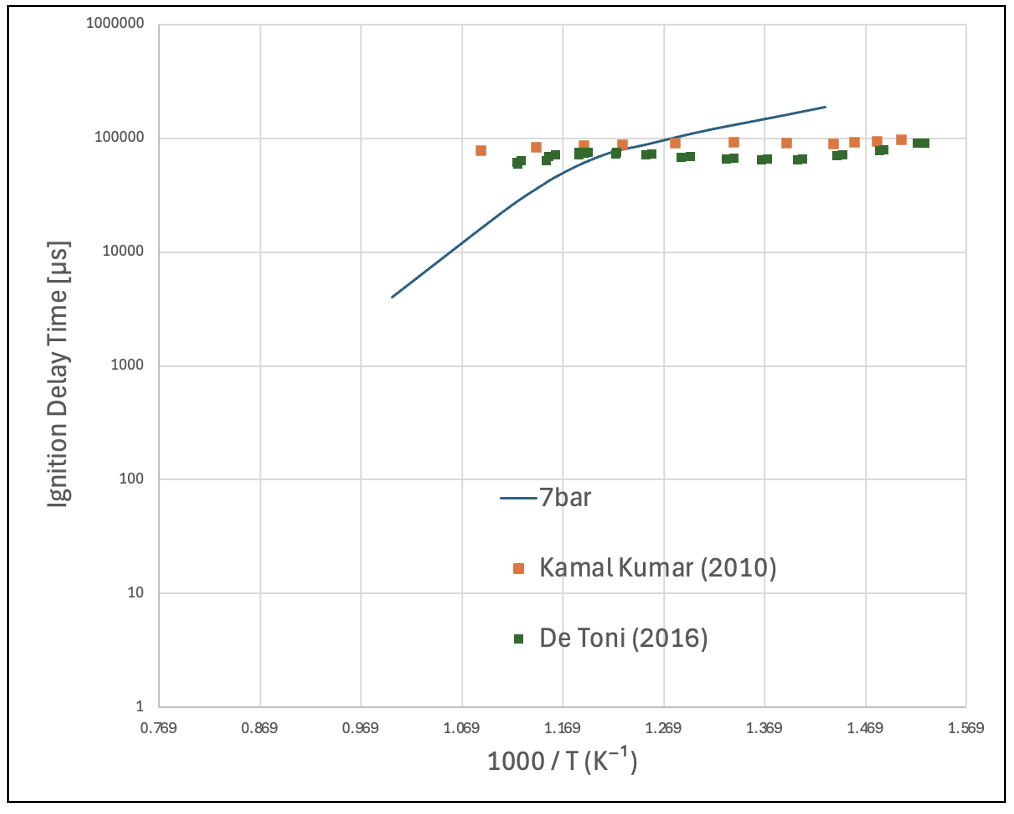
Figure 6. Ignition delay time validation at 7 bar (φ = 0.7).
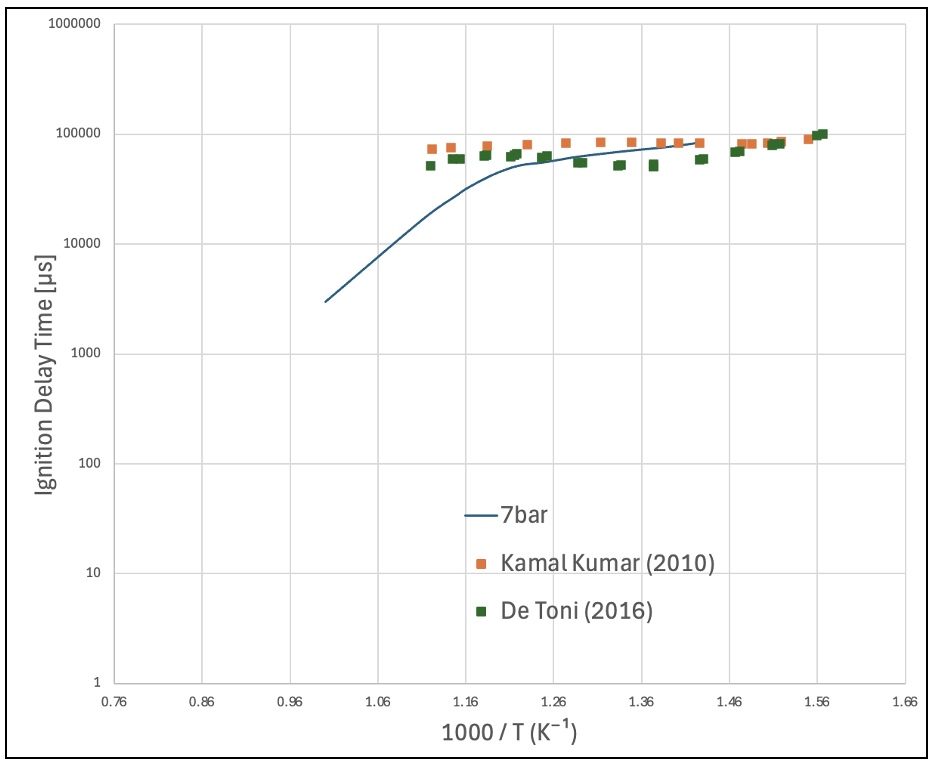
Figure 7. Ignition delay time validation at 7 bar (φ = 1.0).
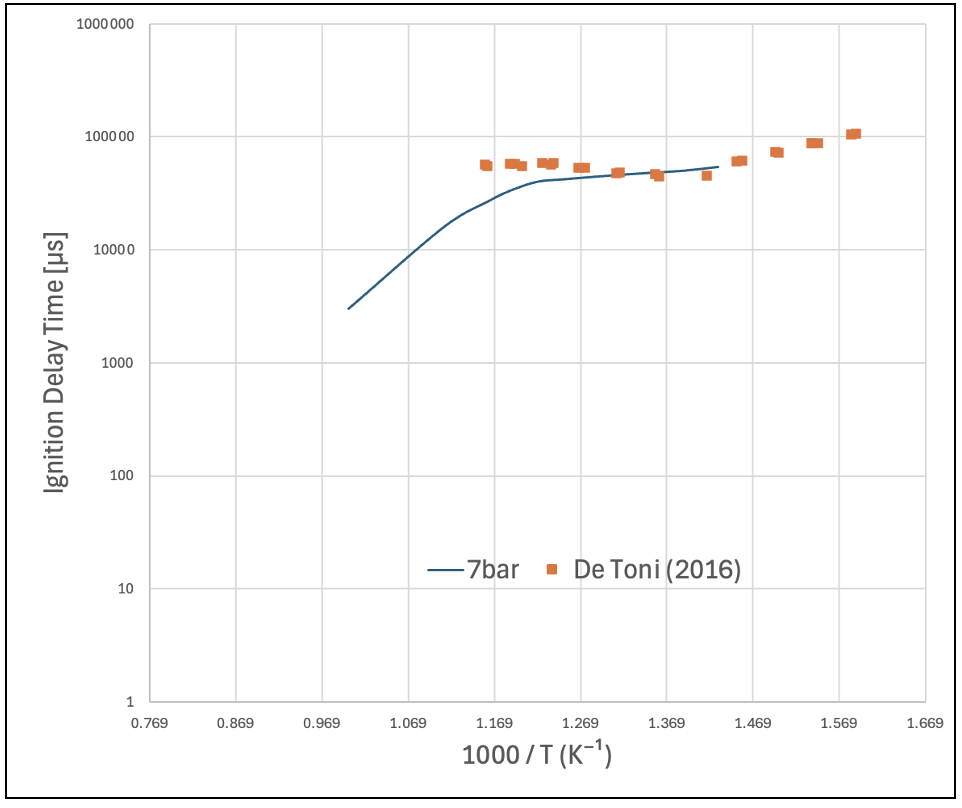
Figure 8. Ignition delay time validation at 7 bar (φ = 1.3).
Ignition delay time predictions at 7 bar were compared with published shock-tube measurements for lean (φ = 0.7), stoichiometric (φ = 1.0), and rich (φ = 1.3) mixtures. The five-component surrogate demonstrated the strongest agreement under stoichiometric conditions, while larger deviations were observed for lean and rich mixtures.
Ignition Delay Time – 15 bar
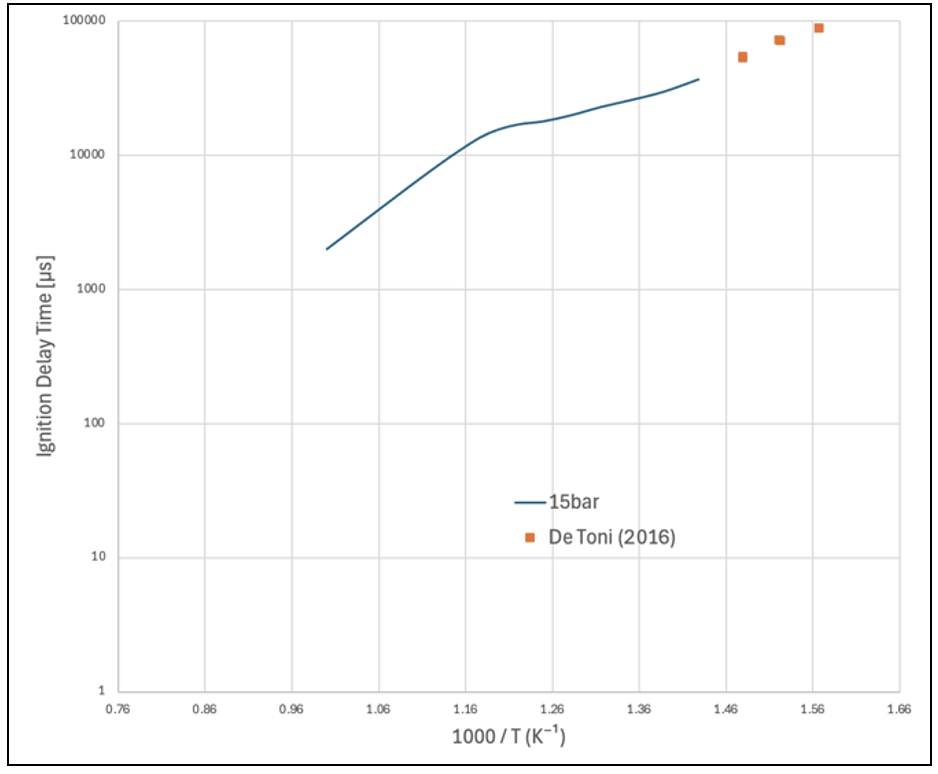
Figure 9. Ignition delay time validation at 15 bar (φ = 0.7).
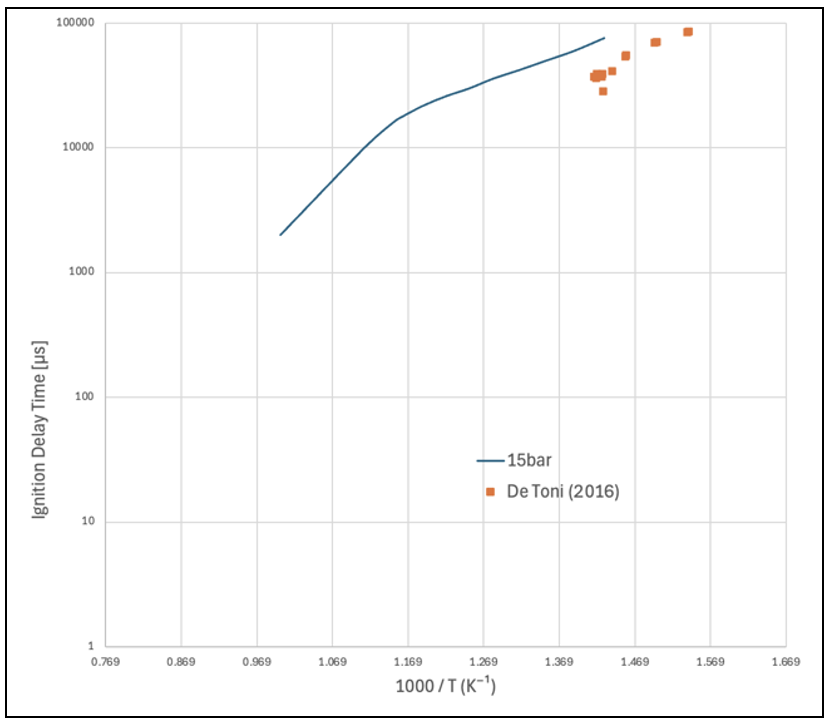
Figure 10. Ignition delay time validation at 15 bar (φ = 1.0).
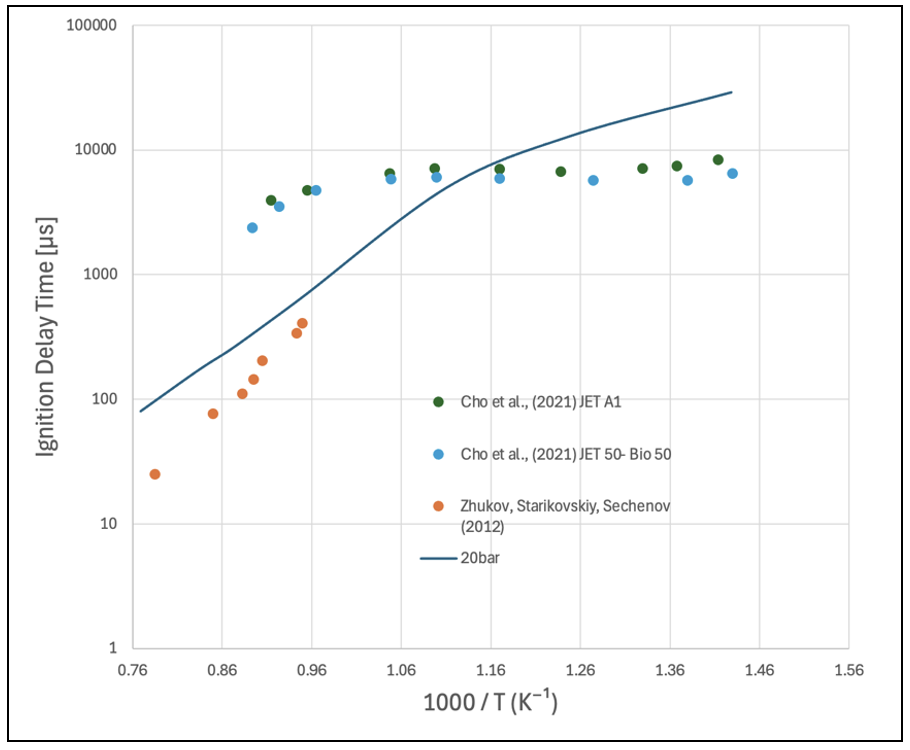
Figure 11. Ignition delay time validation at 15 bar (φ = 1.3).
Ignition delay time predictions at 15 bar were compared with published shock-tube measurements for lean (φ = 0.7), stoichiometric (φ = 1.0), and rich (φ = 1.3) mixtures. Increased operating pressure resulted in larger deviations between predicted and experimental ignition delay times, highlighting the importance of pressure-dependent reaction kinetics in sustainable aviation fuel combustion modelling.
Conclusion
This project gave me the opportunity to apply combustion theory to a practical engineering problem using ANSYS Chemkin-Pro. By comparing six published kinetic mechanisms against experimental data, I investigated how accurately each mechanism predicted laminar flame speed and ignition delay under different operating conditions. Beyond the simulation work, the project required analysing large datasets, validating numerical results.
The findings contribute to ongoing research into sustainable aviation fuels by providing guidance on selecting appropriate chemical kinetic mechanisms for future combustion modelling and propulsion studies.
Read the Full Dissertation
The complete MSc dissertation contains the full methodology, combustion simulations, validation studies, statistical analysis, and discussion of surrogate fuel mechanisms.
Download Dissertation PDF